

Last updated: February 8, 2026
Key Takeaways
- Immune reactions to dermal fillers, such as granulomas and late-onset inflammation, are rare (0.1-1%) but can appear years later, especially in patients with autoimmune conditions or biofilm formation.
- High-risk areas include the glabella and nasal regions, and prevention relies on detailed anatomical knowledge, conservative dosing, and strict sterile technique.
- Current 2026 trends favor biostimulatory fillers like calcium hydroxyapatite in select cases, which may offer lower long-term reactivity and regenerative benefits compared with repeated hyaluronic acid injections.
- Patients reduce complication risks by choosing providers who prioritize safety over volume, perform thorough assessments, and remain supplier-neutral when recommending products.
- For a personalized filler safety evaluation and expert care, book a consultation at Mirror Plastic Surgery with Stephanie.
Why Mirror Plastic Surgery Focuses on Safety First
Mirror Plastic Surgery follows a concierge model that places patient safety ahead of speed and volume. The team follows a clear hierarchy of priorities: safety first, function second, and aesthetics third. Every treatment decision supports long-term well-being instead of daily procedure counts or sales targets.
Mirror limits the schedule to one or two surgeries per day so the entire team can focus fully on each patient. This slower pace allows for detailed, top-to-bottom assessments that often last up to an hour. These evaluations address visible aesthetic concerns and also review health factors that may affect healing, immune reactions, or long-term results.
The practice maintains a supplier-neutral stance, so product choices reflect each patient’s anatomy, history, and goals rather than manufacturer quotas or promotional incentives. This approach helps avoid unnecessary syringes and supports safer, more predictable outcomes.
Book a consultation with Stephanie to experience this personalized, safety-focused approach to dermal fillers.
Stephanie DeSimone’s Precision-Based Injection Style
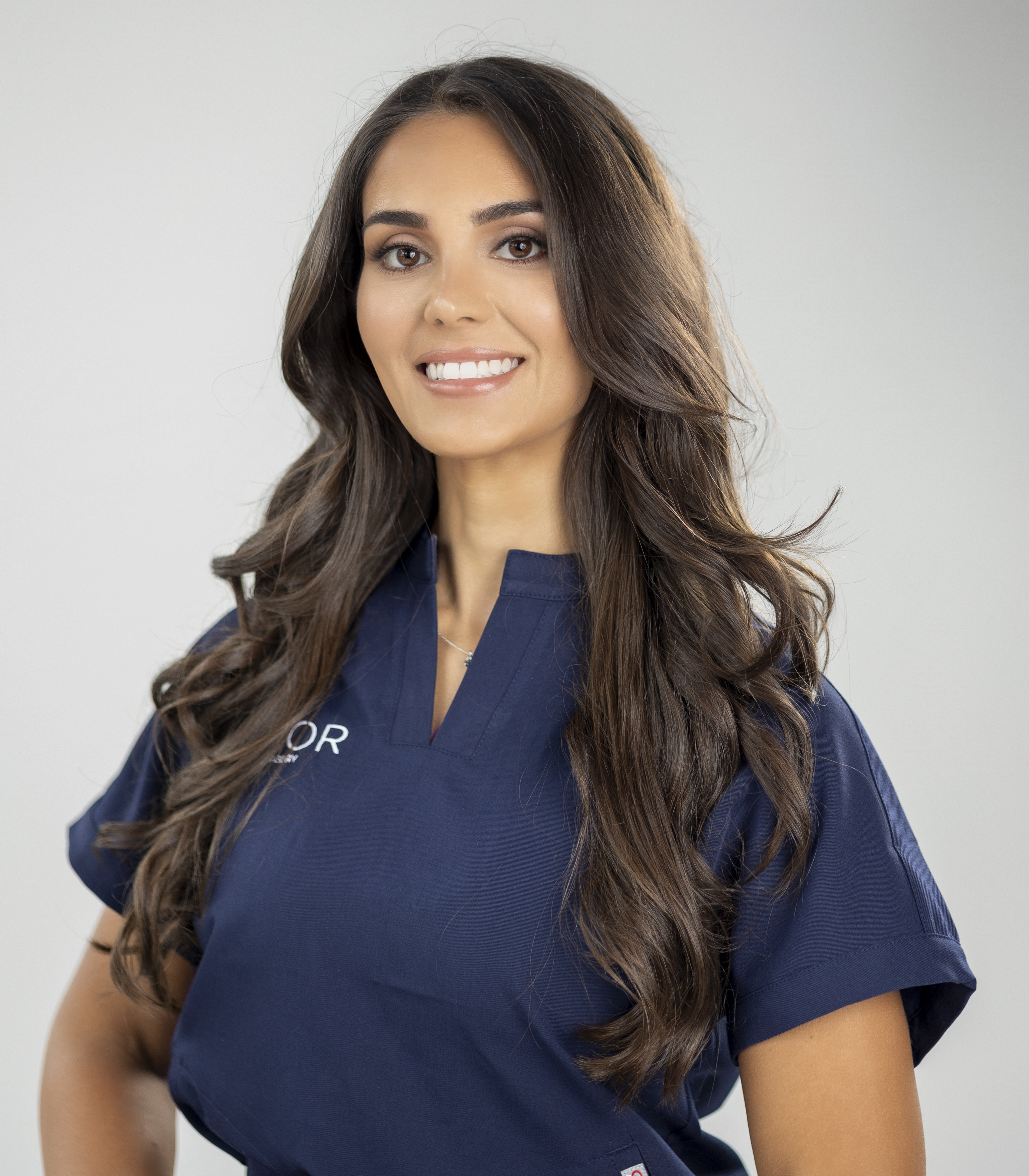
Stephanie DeSimone combines mathematical precision with deep anatomical training in every treatment. She holds a degree in Mathematics and has extensive experience as a surgical assistant, which gives her a detailed understanding of both surface features and subdermal structures. Her background in bodybuilding further sharpens her awareness of facial and body proportions.
Stephanie follows a “less is more” philosophy that starts with restoring natural facial characteristics before adding volume. She specializes in full-face harmonization, creating smooth transitions between regions instead of treating isolated areas that can look overfilled. When appropriate, she prefers biostimulatory fillers such as Radiesse to support long-term safety, tissue quality, and natural-looking results.
Core Concepts Behind Filler-Related Immune Reactions
Immune reactions to dermal fillers involve several key mechanisms that patients should understand. Repeated punctures at the same injection sites can allow biofilms to form, which are communities of bacteria protected by a slimy matrix. These biofilms can remain quiet for long periods, then trigger inflammation when the immune system becomes activated.
Late-onset inflammatory responses (LOR) involve macrophage activation, edema, and erythema, and occur in roughly 0.1-1% of patients. These reactions often appear months or even years after the original treatment, which can make the connection to fillers less obvious for patients.
Granulomas are firm, chronic inflammatory nodules that form when the immune system tries to wall off material it cannot clear. They occur more often with permanent or semi-permanent fillers but can also appear with hyaluronic acid products, especially in people with autoimmune histories. Autoimmune/inflammatory syndrome induced by adjuvants (ASIA) has been linked to dermal fillers in case reports, which reinforces the need for careful screening and honest discussion of medical history.
Certain anatomical zones carry a higher risk. The glabella, nasal region, and areas with limited blood supply can experience more serious complications if filler blocks a vessel or triggers strong inflammation. Prevention in these regions relies on conservative dosing, precise mapping of vessels and soft tissue, and careful product selection tailored to each area.
2026 Filler Trends: Regenerative and Biostimulatory Options
The 2026 aesthetic landscape is shifting toward regenerative treatments and biostimulatory fillers. Ceramic-based biostimulators such as calcium hydroxyapatite encourage regenerative macrophages and extracellular matrix renewal without strong inflammatory responses. These properties make them appealing alternatives to traditional hyaluronic acid fillers in specific, well-chosen areas.
Many patients now report “filler fatigue” and want a softer, more natural look. This trend has increased interest in dissolving older hyaluronic acid fillers and then rebuilding the structure more conservatively. Regenerative tools such as platelet-rich plasma (PRP) are becoming common additions for providers who prioritize tissue health, collagen support, and gradual improvement instead of quick volume alone.
Advances in imaging and a deeper understanding of immune pathways support more precise planning and safer injections. These tools help experienced injectors predict risk, avoid high-danger zones, and create individualized treatment plans based on anatomy and medical history.
How Personal Health Factors Affect Filler Safety
Individual health profiles strongly influence the risk of immune reactions to dermal fillers. Autoimmune conditions, inflammatory skin diseases, and significant allergy histories all require careful evaluation before treatment. Age, skin type, previous filler exposure, and current medications also guide product choice, injection depth, and timing.
Certain provider behaviors should raise concern. Rushed consultations, pressure to purchase multiple syringes, or minimal discussion of complications and maintenance suggest a volume-driven model. High-quality injectors spend time clarifying goals, reviewing anatomy, and explaining realistic timelines for safe, staged treatment.
The decision to dissolve existing fillers or maintain them depends on several factors. These include filler type, injection depth, location, current appearance, and any signs of nodules, swelling, or asymmetry. Mirror Plastic Surgery uses a structured consultation process to review these details and recommend a step-by-step plan.
Misconceptions About Long-Term Filler Safety
Many people assume dermal fillers remain safe indefinitely once placed. Long-term studies show that biofilm formation and chronic immune reactions rank among the most frequent complications, especially when patients receive repeated treatments over many years.
Another common belief is that every adverse reaction reflects provider error. Technique certainly plays a major role, yet some complications arise from individual immune responses or interactions with infections, medications, or vaccinations. Ethical practitioners acknowledge these factors, monitor patients closely, and offer revision strategies instead of dismissing concerns.
Book a consultation with Stephanie for a clear, honest discussion of expected benefits, possible risks, and realistic timelines for improvement.
Frequently Asked Questions
Can dermal fillers cause autoimmune diseases like ASIA?
Case reports have linked dermal fillers with autoimmune/inflammatory syndrome induced by adjuvants (ASIA), although this outcome remains rare. Risk appears higher in patients with existing autoimmune disease or strong genetic predisposition. Careful medical history review and a preference for hyaluronic acid over permanent fillers help reduce this risk.
What are signs of long-term immune reactions to fillers?
Long-term immune reactions often show up as persistent swelling, firm nodules, redness, or tenderness at previous injection sites. These symptoms may flare during illness, periods of high stress, or other immune triggers. Any ongoing change in texture, color, or comfort near old filler should prompt an evaluation by an experienced injector.
How can biofilms from repeated injections be prevented?
Prevention of biofilms relies on conservative injection plans, strict sterile technique, and avoiding repeated trauma to the same small area. Working with a provider who understands facial anatomy in depth also reduces risk. Stephanie’s mathematical training and surgical background support precise placement that limits tissue damage and bacterial entry.
Are biostimulatory fillers safer long-term than hyaluronic acid?
Biostimulatory fillers such as calcium hydroxyapatite can show lower reactivity in stable, low-movement facial zones when compared with frequent hyaluronic acid touch-ups. They are not reversible, however, and require advanced anatomical skill for safe use. The safest choice depends on each patient’s anatomy, history, and goals, which should be reviewed in a detailed consultation.
Why do fillers sometimes cause delayed granulomas years later?
Delayed granulomas often appear when a new immune trigger such as illness, vaccination, or major stress causes the body to re-examine filler material. The immune system may suddenly treat previously tolerated filler as foreign and form nodules. Patients with underlying immune sensitivities or autoimmune conditions face higher risk and benefit from careful monitoring.
Conclusion: Partnering for Long-Term Filler Safety
Clear knowledge of immune reactions and long-term filler behavior helps patients make confident choices about aesthetic care. Complications remain uncommon, yet they become even less likely when patients work with experienced injectors who value thorough assessment, anatomical precision, and conservative planning.
Mirror Plastic Surgery’s concierge model supports this level of care by limiting daily volume and dedicating time to each patient. Evidence-based treatment plans, honest communication, and realistic expectations form the basis of long-term, natural-looking results.
Book a Consultation at Mirror Plastic Surgery
Comprehensive assessment and expert technique can transform filler treatments into a safer, more predictable experience. Mirror Plastic Surgery tailors every plan to your anatomy, concerns, and goals while keeping long-term health at the center of each decision.
Contact Mirror Plastic Surgery today:
Phone: 727-361-6515
Email: hello@mirrorplasticsurgery.com
Address: 780 4th Ave S, St. Petersburg, FL 33701
Instagram: @mirrorplasticsurgery
Concerns about filler safety can shift into confidence when you partner with a skilled, safety-focused injector. Book a consultation with Stephanie to begin a personalized plan for safe, natural-looking results.
Disclaimer: Results may vary from person to person. Editorial content, before and after images, and patient testimonials do not constitute a guarantee of specific results.
