

Last updated: February 13, 2026
Key Takeaways
- Hip dips are natural skeletal indentations that cannot be permanently fixed but can be camouflaged with biostimulatory fillers like Sculptra and Radiesse.
- Biostimulatory fillers provide longer-lasting results, often 1 to 2 or more years, with gradual collagen stimulation for natural-looking contours.
- Exercise strengthens hip muscles but cannot change the bone structure that causes hip dips, while fillers target the indentation for smoother transitions.
- Expert injection technique is crucial to reduce risks like vascular occlusion, so choose providers with strong anatomical expertise for safe, harmonious results.
- Ready for personalized hip dip filler treatment? Book a consultation with Stephanie at Mirror Plastic Surgery for a comprehensive anatomical assessment.
Why Mirror Plastic Surgery’s Concierge Model Benefits Hip Dip Patients
Mirror Plastic Surgery follows a concierge medicine model that centers every visit on you. Each consultation can last up to one hour, which allows time for a detailed anatomical assessment and a personalized treatment plan. The practice limits procedures to one or two per day, so your provider can focus fully on your care instead of rushing between appointments.
The practice philosophy places safety first, function second, and aesthetics third. This evidence-based approach keeps your long-term well-being at the core of every decision. As a supplier-neutral practice, Mirror Plastic Surgery selects from a wide range of products, including Radiesse, Juvederm, and RHA fillers, based on your anatomy and goals instead of relying on a single brand.
This commitment to unbiased, thorough care supports the level of precision needed for complex areas such as hip dip correction.
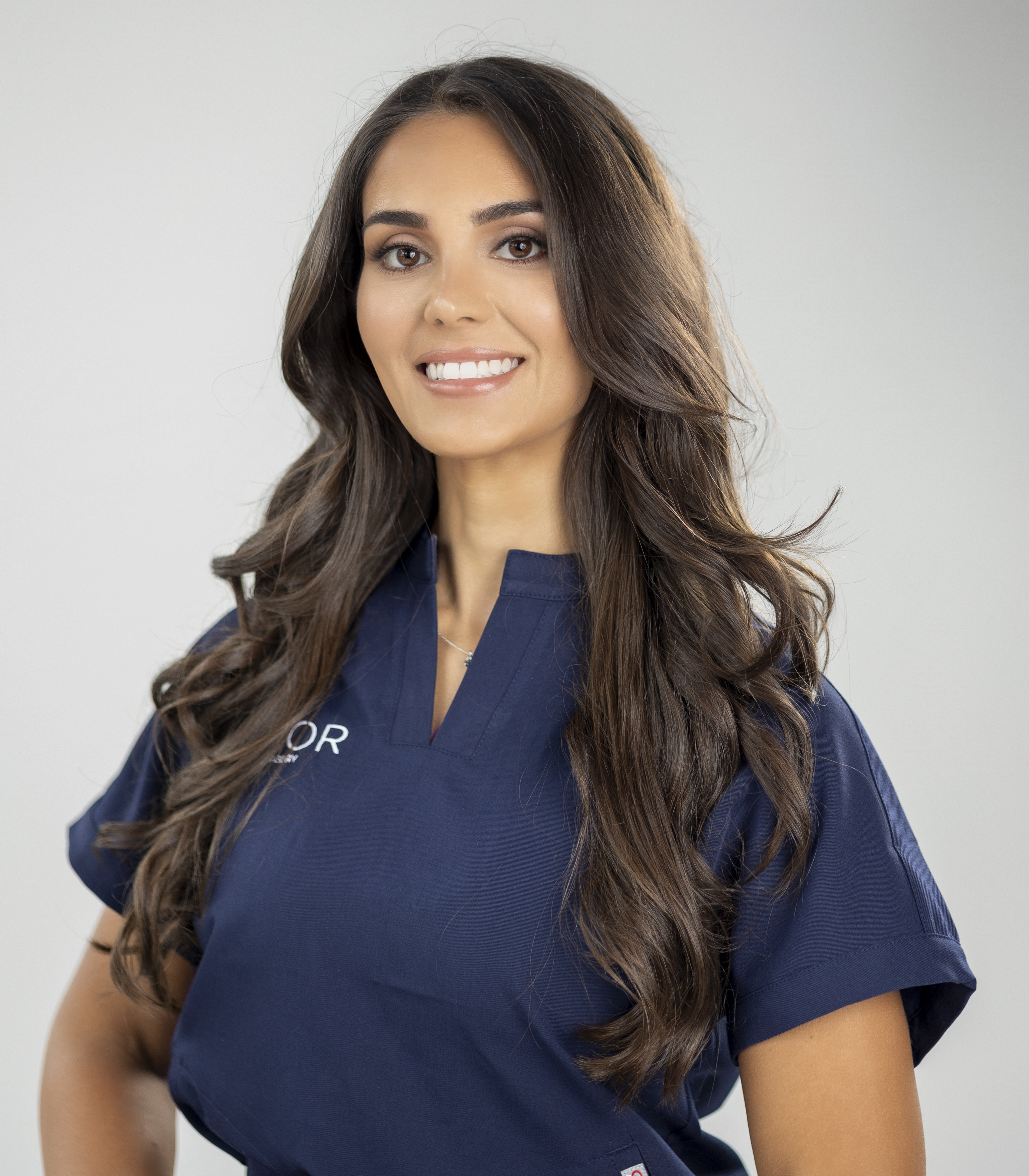
Meet Your Injector: Stephanie DeSimone’s Precision Approach
Stephanie DeSimone combines mathematical precision with deep anatomical knowledge in every treatment. Her degree in Mathematics, extensive experience as a surgical assistant, and passion for bodybuilding give her a strong understanding of both surface and subdermal anatomy. This background is especially valuable for body contouring procedures like hip dip correction.
Stephanie focuses on biostimulatory fillers for non-surgical body enhancement and aims for natural balance and harmony. Her “less is more” philosophy restores your inherent anatomical features first, then considers added volume only when needed. This approach helps create smooth transitions between treated and untreated areas.
She works closely with Dr. Akash Chandawarkar, a Harvard-educated physician and Johns Hopkins-trained plastic surgeon, to offer comprehensive treatment planning. Your plan may combine non-surgical and surgical options when that combination best serves your goals.
Patient testimonials highlight her skill and judgment: “Stephanie is phenomenal. I’ve been getting injections for 11 years, having worked in med spas and plastic surgery offices, and Steph is by far the most knowledgeable injector I’ve ever met… She also fixed a cheek issue that other injectors had only made worse, something that had been bothering me for months yet she corrected it in seconds with just a few micro droplets of filler. Absolute genius!”
Hip Dip Anatomy and Why Fillers Outperform Exercise
Hip dips come from the natural relationship between the gluteus medius muscle, tensor fasciae latae, and the underlying femoral neck structure. These anatomical features are determined by bone shape and cannot be fully fixed through exercise alone, although targeted strengthening can modestly increase muscle volume.
Exercises that target the gluteus medius and surrounding muscles can strengthen the hip area and improve overall contour. The skeletal depression, however, does not change. Strategic filler placement becomes valuable at this point. By adding volume exactly where the indentation occurs, fillers can create a smoother transition from hip to thigh.
Hyaluronic acid fillers provide immediate volume but usually need maintenance every 12 to 18 months. Biostimulatory fillers like Sculptra and Radiesse work differently. Sculptra results can last up to two years or more for body contouring, while Radiesse typically provides enhancement for approximately one year or more.
The main advantage of professional filler placement is the ability to address the specific anatomical deficit that exercise cannot change, which is the skeletal indentation itself. Book a consultation with Stephanie for a detailed anatomical assessment of your hip dip structure.
Planning Hip Dip Fillers: Longevity and Realistic Results
Clear expectations about filler longevity help you plan your treatment schedule and budget. Several factors influence how long results last, including your metabolism, activity level, and the exact area treated. Most patients need two to four treatment sessions, spaced several weeks apart, to reach their ideal outcome.
Surgical fat transfer can provide immediate volume but involves surgery, anesthesia, and variable fat survival rates. Fillers offer a gradual and controlled approach with more predictable results. You and your provider can fine-tune volume and shape over time.
The non-permanent nature of fillers supports safety and flexibility. It allows for adjustments as your anatomy, lifestyle, or aesthetic preferences evolve.
Book a consultation with Stephanie to learn what longevity you can reasonably expect based on your unique anatomy and daily habits.
Safety, Risks, and How Expertise Protects Your Results
Hip dip filler treatment demands precise anatomical knowledge and careful injection technique. Risks include vascular occlusion, asymmetry, and unnatural contours when inexperienced injectors perform the procedure. The hip region contains important blood vessels that require expert navigation during treatment.
Mirror Plastic Surgery uses a comprehensive assessment process that supports safety through detailed anatomical evaluation and conservative planning. Stephanie’s background in surgical assisting and her deep understanding of subdermal anatomy guide safe, accurate placement of biostimulatory fillers.
The practice’s integration with Dr. Akash’s surgical expertise adds another layer of safety. If complications occur or if surgical fat grafting becomes a better option, you have access to seamless care coordination. Your treatment plan can evolve as your results and goals change.
Biostimulatory fillers like Sculptra and Radiesse gradually integrate with your tissue over time. This process reduces the risk of visible irregularities compared with some immediate-volume fillers. The slow, steady enhancement supports natural-looking results that complement your existing anatomy.
Current Trends in Hip Dip Treatment and Patient Priorities
The aesthetic field in 2026 shows growing interest in biostimulatory treatments that work with your body’s natural healing and collagen production. Recent clinical presentations demonstrate high aesthetic improvement rates and patient satisfaction with advanced injectable techniques.
Non-surgical body contouring continues to expand as more patients look for effective options that avoid surgery. The shift toward regenerative medicine emphasizes treatments that enhance your natural anatomy instead of creating exaggerated or artificial shapes.
When you choose a provider, prioritize strong anatomical expertise, clear communication about realistic outcomes, and a long-term approach to your aesthetic plan. Avoid providers who promise permanent results with fillers or rely on high-pressure sales tactics.
Book a consultation with Stephanie for unbiased guidance on whether hip dip fillers match your anatomy, lifestyle, and goals.
Frequently Asked Questions
How long do hip dip fillers last?
Hip dip filler longevity varies by product and by patient. Hyaluronic acid fillers typically last 12 to 18 months. Biostimulatory fillers like Sculptra can provide results for more than 2 years, and Radiesse often lasts 12 to 24 months. Your metabolism, activity level, and the treatment area all affect duration. Most patients reach their best result with a series of two to four treatments spaced several weeks apart.
Can fillers permanently fix hip dips?
Fillers cannot permanently fix hip dips because these indentations come from your underlying skeletal structure. Hip dips are natural anatomical features created by the relationship between your hip bone, gluteus medius muscle, and tensor fasciae latae.
Fillers add volume to the depression and create smoother contours, but the bone structure stays the same. This temporary nature allows adjustments over time and avoids permanent changes that may not age well with your body.
What’s the difference between Sculptra and Radiesse for hip dips?
Sculptra and Radiesse are both biostimulatory fillers, but they behave differently. Sculptra contains poly-L-lactic acid that stimulates gradual collagen production over several months. It often provides longer-lasting results, up to 2 or more years, with very natural integration.
Radiesse contains calcium hydroxylapatite microspheres that give immediate volume and also stimulate collagen, typically lasting 12 to 18 months. Sculptra rewards patience with superior longevity, while Radiesse offers faster visible change with solid durability.
Can exercise alone fill hip dips?
Exercise can reduce the appearance of hip dips by building muscle in the gluteus medius and nearby muscles, but it cannot remove them completely. Hip dips are mainly determined by bone structure, which exercise cannot change.
Targeted glute exercises such as squats, lunges, and hip abductions can add muscle volume that softens the indentation. The skeletal depression, however, remains. Exercise supports hip strength and function, while patients who want a more noticeable cosmetic change often choose additional options like strategic filler placement.
How do hip dip fillers compare to fat transfer?
Hip dip fillers and fat transfer offer different benefits. Fillers are non-surgical, have minimal downtime, and provide predictable results with the option to adjust over time. Fat transfer uses your own fat for potentially longer-lasting volume but requires liposuction and surgery.
Fat survival rates can vary, with about 30 percent absorption in many cases, and recovery takes longer. Fillers support gradual, controlled enhancement with flexibility, while fat transfer can create more dramatic volume with less predictability. Your choice depends on your goals, risk tolerance, and preference for surgical or non-surgical care.
Conclusion
Hip dip fillers can effectively camouflage natural skeletal indentations when performed by anatomical experts like Stephanie DeSimone. Mirror Plastic Surgery’s concierge approach supports safe, natural results that align with your unique anatomy and long-term aesthetic goals.
Book a Consultation
Experience Mirror Plastic Surgery’s one-hour assessment process and create a personalized hip dip treatment plan. The concierge model supports thorough evaluation and honest guidance about realistic outcomes.
Contact Information:
Phone: 727-361-6515
Email: hello@mirrorplasticsurgery.com
Address: 780 4th Ave S, St. Petersburg, FL 33701
Instagram: @mirrorplasticsurgery
Book a consultation with Stephanie to begin your journey toward smoother, more confident hip contours.
Mandatory Disclaimer
Results may vary between individuals. Editorial content, images, and testimonials do not constitute guarantees of specific outcomes. Individual results depend on various factors, including anatomy, health status, and adherence to treatment recommendations.
