

Last updated: February 21, 2026
Key Takeaways
- Recent MRI evidence shows 50-86% of hyaluronic acid fillers can persist at 24 months, far beyond traditional 6-12 month claims.
- Filler longevity varies by area: lips often last 6-12 months, cheeks 12-18 months, and biostimulatory fillers like Sculptra 24+ months.
- Filler fatigue from overfilling causes puffiness and an unnatural appearance, while conservative techniques help maintain a fresh, balanced look.
- Biostimulatory fillers stimulate collagen for longer-lasting, natural improvements compared to reversible HA fillers.
- Achieve safe, personalized facial rejuvenation by booking a consultation at Mirror Plastic Surgery with expert injector Stephanie.
Why Mirror Plastic Surgery Feels Different
Mirror Plastic Surgery follows a concierge medicine model that prioritizes time, safety, and thoughtful planning. Our approach includes:
- Comprehensive hour-long consultations instead of rushed 15-minute appointments
- Maximum of 1-2 procedures daily, which keeps full attention on each patient
- “Safety first, function second, aesthetics third” philosophy
- Evidence-based treatment planning with supplier-neutral product selection
- Dr. Akash Chandawarkar’s credentials as a Harvard-educated physician, Johns Hopkins-trained plastic surgeon, and Stanford medical innovation specialist
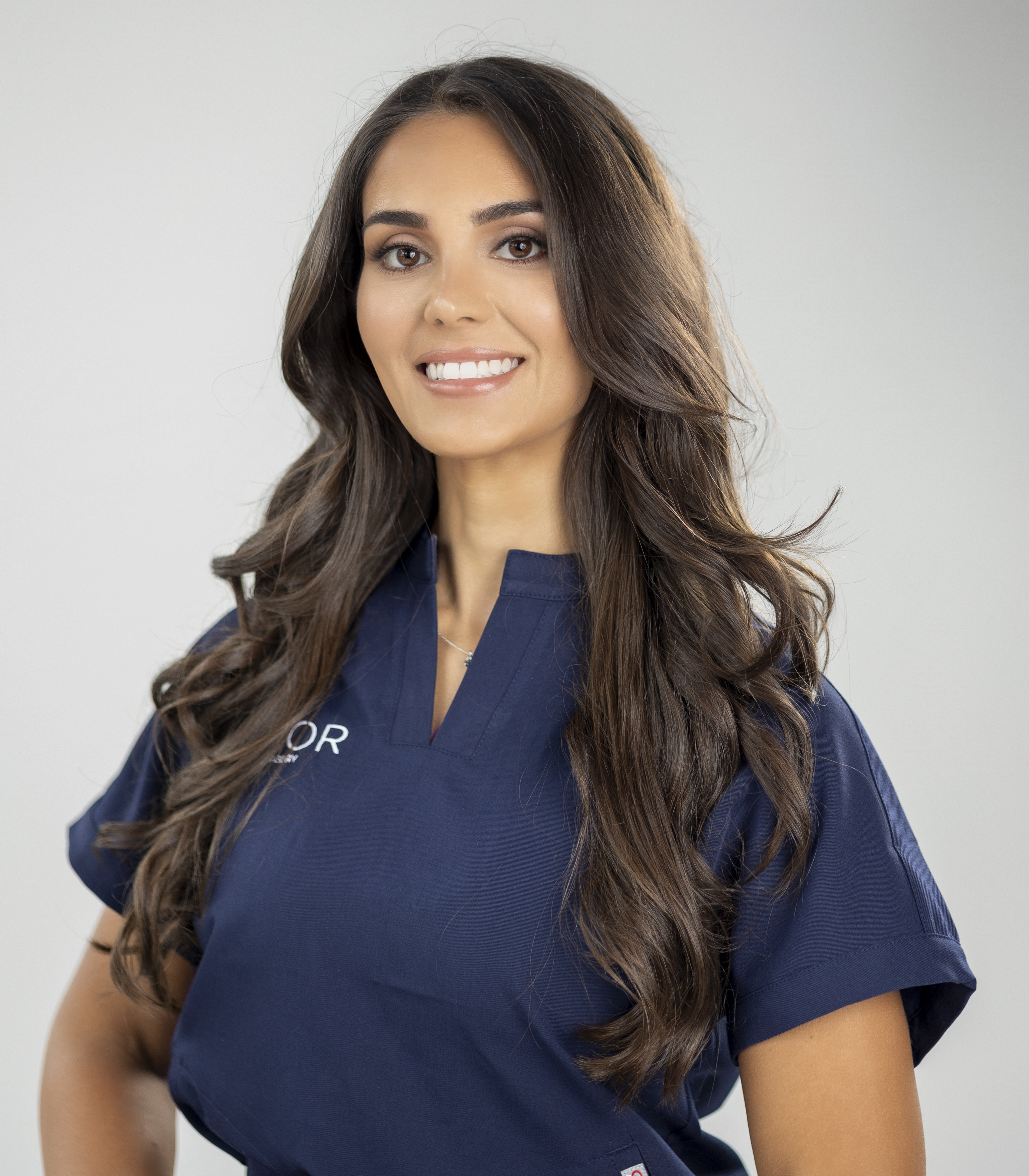
Meet Your Injector: Stephanie DeSimone
Stephanie DeSimone combines mathematical precision with deep anatomical knowledge in every treatment. She holds a degree in Mathematics and has extensive experience as a surgical assistant, which sharpens her understanding of both surface and subdermal anatomy. Her passion for bodybuilding further refines her eye for proportion and symmetry.
Stephanie specializes in Juvederm, RHA, Versa, Restylane, Radiesse, and Evolysse for full-face harmonization and non-surgical BBL treatments. Her “less is more” philosophy focuses on refreshing your natural features before adding volume. This approach creates smooth transitions between facial regions and helps avoid the overdone look that often comes from isolated injections.
How Different Filler Types Work in Your Face
Filler type and behavior in your tissues shape both your results and how long they last. Hyaluronic acid (HA) fillers such as Juvederm and Restylane create immediate volume by binding water in the treated area. Biostimulatory fillers like Radiesse work differently and trigger your body to build new collagen over time.
Your body breaks down HA fillers through hyaluronidase enzymes, with most enzyme activity occurring during the first 2-4 weeks after injection. Longevity depends on several factors, including injection depth, facial movement in the area, your metabolism, and local blood supply.
|
Brand/Type |
Area |
Duration |
Notes |
|
Juvederm (HA) |
Lips |
6-12 months |
High movement area |
|
Restylane (HA) |
Cheeks |
12-18 months |
Stable support area |
|
Radiesse (CaHA) |
Jawline |
12-18 months |
Biostimulatory effects |
|
Biostimulatory filler |
Midface |
24+ months |
Collagen stimulation |
Biostimulatory fillers provide extended longevity by stimulating collagen that supports the skin from within. Clinical studies show significant improvement in midfacial volume at 12 months, with many patients maintaining visible results for two years or longer.
Find out which filler types match your anatomy and goals. Book a comprehensive consultation with Stephanie for tailored product recommendations.
How Dermal Fillers Affect Your Face Over Time
Dermal fillers create changes that go beyond simple volume replacement. Biostimulatory products can stimulate collagen, which improves skin quality, firmness, and structure over time. At the same time, long-term use raises questions about filler persistence and migration.
MRI and ultrasound studies have identified HA filler remaining in facial tissues years after injection, sometimes more than a decade later, especially around the eyes. This persistence can influence how new treatments look and how the face ages.
Filler fatigue has become a major concern for patients who receive repeated treatments. Over time, excessive or poorly planned filler can blur contours, create puffiness, and add heaviness that makes the face appear older. Cumulative treatments may produce an unnatural look that feels difficult to reverse, which often leads patients to stop treatment or seek dissolution.
The choice between HA and biostimulatory fillers plays a key role in long-term planning. HA fillers can be dissolved with hyaluronidase when needed. Biostimulatory fillers such as Sculptra usually maintain results for 24 months or longer and cannot be easily reversed, so they require careful strategy and placement. Mirror Plastic Surgery uses a restoration-focused approach that relies on thoughtful product selection and conservative dosing.
Protect your long-term results with a clear plan. Book a consultation with Stephanie to design a safe, long-range filler strategy.
2026 Filler Trends and What They Mean for You
The 2026 aesthetic landscape reflects rapid advances in filler science and technique. HA fillers still lead the market, with newer formulations designed for longer wear and smoother integration. Next-generation biostimulators now offer stronger collagen stimulation and more refined particle technology.
Improved cross-linking methods have extended HA filler durability, although results still vary widely from person to person. MRI persistence data has reshaped expectations about how long fillers remain in the face. A 2024 review of facial MRI studies in 33 patients showed visible filler in every case, which confirms that many products last far beyond their advertised timelines.
This evidence has fueled a surge in filler reversal procedures. Dissolving filler became a major trend in 2025 as patients moved away from overfilled looks and sought more natural, sculpted results. Mirror Plastic Surgery keeps pace with these innovations while staying supplier-neutral. Product choices always reflect your anatomy and goals, not brand contracts or sales incentives.
Safety, Anatomy, and Smart Treatment Planning
Personal anatomy and lifestyle strongly influence filler safety and outcomes. Features such as bone structure, fat distribution, skin thickness, and movement patterns guide both product choice and injection technique. Metabolism, exercise habits, and long-term goals also shape the treatment plan.
Certain facial zones carry higher risk and require advanced expertise. The glabellar region, forehead, nose, and periocular areas have elevated vascular occlusion risks because of dense blood vessel networks and limited backup circulation.
Stephanie focuses on subtle refinement instead of dramatic, trend-driven changes. She uses precise techniques and conservative volumes to create natural-looking results that age gracefully. This approach lowers the risk of overfilling and allows room for gradual enhancement over time while keeping facial balance and harmony as the main priority.
Receive a customized safety review and treatment roadmap. Book a consultation with Stephanie for expert, anatomy-based guidance.
Misconceptions About Filler Longevity and Use
Several myths about filler duration and behavior still circulate online and in clinics. The idea that all fillers disappear within six months no longer matches current evidence. Recent MRI studies show that HA fillers can persist in facial tissues well beyond advertised lifespans, with documented cases at 24-27 months and sometimes longer.
Migration and long-term persistence appear more common than once believed, especially in areas with frequent movement. Many patients assume that each touch-up simply replaces product that has fully dissolved. In reality, residual filler often remains, which can create cumulative volume and eventually lead to an overfilled look.
Years of repeated filler without proper reassessment may result in puffiness, distorted contours, and an artificial appearance. Mirror Plastic Surgery counters these risks with a detailed evaluation process that reviews anatomy, prior treatments, and realistic goals. Strategic planning addresses both immediate improvements and how your face will look in the coming years.
Frequently Asked Questions
How long do fillers last by area?
Filler longevity depends on facial movement, tissue type, and blood supply in each region. Lip fillers typically last 6-12 months because the lips move constantly and have rich vascularization. Cheeks and midface areas usually maintain HA filler for 12-18 months, while biostimulatory options such as Sculptra can last 24 months or longer.
Jawline and chin treatments often last 12-18 months, and deeper placement can extend that duration. Areas with less movement, including the temples, may hold results longer than high-motion zones like the mouth.
What are the long-term effects of dermal fillers?
Long-term effects include both benefits and potential drawbacks. On the positive side, some fillers stimulate collagen, improve skin quality, and support facial structure, which can soften aging patterns. On the concern side, fillers may persist longer than expected, migrate to nearby areas, or accumulate with repeated sessions.
Some patients develop filler fatigue, which appears as puffiness, loss of definition, and a look that feels less like their natural face. Careful technique, honest assessment, and conservative dosing help preserve the advantages while reducing the chance of unwanted long-term changes.
Does filler migrate over time?
Filler migration can occur and has been documented with MRI imaging. Migration appears more often in areas with strong muscle activity or when large volumes are injected. The glabellar region, lips, and tissues around the eyes show higher migration rates in published reports.
Contributing factors include injection depth, product type, repetitive facial expressions, and individual tissue characteristics. Skilled placement and modest volumes significantly lower the risk of noticeable migration.
What are the signs of filler fatigue?
Filler fatigue shows up as gradual loss of crisp facial contours and swelling that never fully settles between treatments. Features may look blurred, heavy, or less defined, even when new filler is added. Many patients describe feeling like their face appears older or bulkier despite ongoing maintenance.
Emotional signs often include frustration with results, anxiety about skipping treatments, and discomfort with one’s reflection. These signals suggest it is time to reassess the plan, pause further injections, or consider dissolving some product.
How do HA and biostimulatory fillers differ in duration?
HA fillers usually last 6-18 months, depending on the product and area, and they create immediate volume by attracting water. Biostimulatory fillers such as Sculptra and Radiesse stimulate collagen over several months, with results that often last 12-24 months or more.
HA fillers can be dissolved with hyaluronidase if needed, which offers flexibility for adjustments. Biostimulatory fillers cannot be easily reversed, so they require careful planning and realistic expectations. The right choice depends on your goals, tolerance for permanence, and unique anatomy.
Planning Your Next Step With Fillers
Dermal filler longevity varies widely between products, facial areas, and individual patients. Current evidence shows that many fillers last far longer than traditional manufacturer claims, which affects how new treatments should be planned. Thoughtful guidance helps you maintain facial harmony and avoid the cycle of overfilling and frequent correction.
Begin a more informed and personalized approach to facial rejuvenation. Book a consultation with Stephanie today.
Book a Consultation
Experience Mirror Plastic Surgery’s comprehensive approach to dermal fillers with an hour-long assessment that prioritizes your safety, function, and aesthetic goals. Contact us to schedule your consultation:
Phone: 727-361-6515
Email: hello@mirrorplasticsurgery.com
Address: 780 4th Ave S, St. Petersburg, FL 33701
Instagram: @mirrorplasticsurgery, @dr.akashplasticsurgery, @perfectlyplastics
Disclaimer: Results may vary from person to person. Editorial content, before and after images, and patient testimonials do not constitute a guarantee of specific results.
