

Last updated: February 1, 2026
Key Takeaways
- “Pillow face” happens when facial fat loss is overcorrected with too much filler in cheeks, lips, tear troughs, and nasolabial folds without proper mid-face support.
- Avoid rushed consults, spa-like injection bars, high-volume clinics, and providers who lack clear anatomical knowledge. Look for hour-long assessments and true facial balancing expertise.
- Mirror Plastic Surgery’s concierge model offers up to 1-hour comprehensive evaluations that prioritize safety, function, and natural aesthetics instead of quick volume additions.
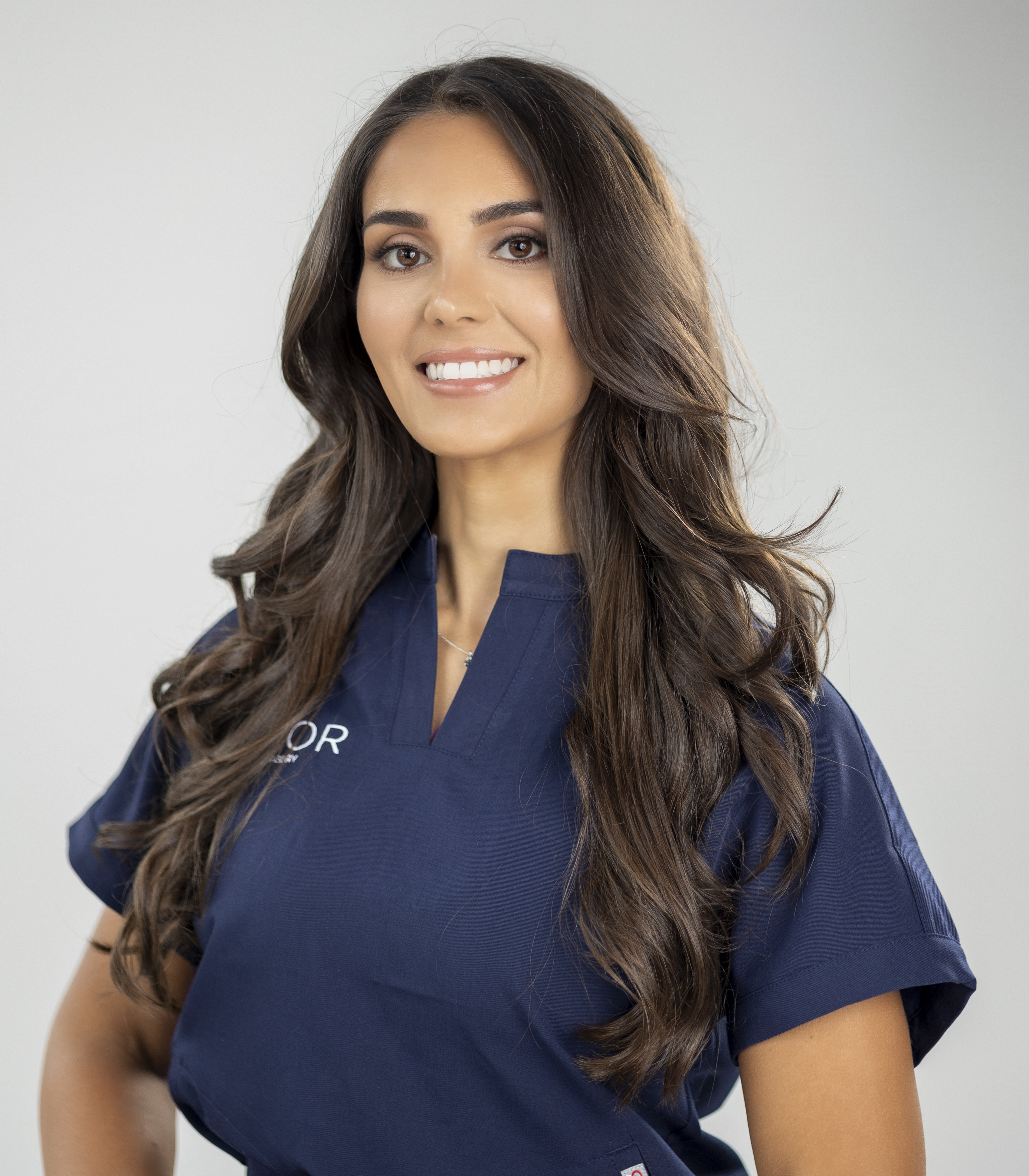
- Injector Stephanie DeSimone uses mathematical planning and a “less is more” approach, focusing on restorative facial balancing and correcting overfilled results.
- Follow expert tips such as requesting a full facial analysis and applying “support before volume” principles, and book a consultation at Mirror Plastic Surgery for personalized, natural-looking filler treatments.
Why Overfilled Faces Happen and How to Spot Provider Red Flags
A clear understanding of facial anatomy prevents overfilled, puffy results. Facial fat pads in the cheeks and temples act as structural pillars, and their depletion leads to sagging skin that can be overcorrected with traditional dermal fillers acting like “pillows”. The highest-risk areas for unnatural outcomes include the lips, under-eye tear troughs, and nasolabial folds when these are treated alone without first supporting the mid-face.
Key red flags when choosing an injector include:
- Rushed 15-minute consultations without a full facial assessment
- Injectable bars or spa environments without clear medical oversight
- Providers whose own faces appear obviously overfilled or distorted
- Marketing that focuses on “syringes” and volume instead of facial balance
- Treating one small area in isolation instead of considering the overall structure
- Inability to explain anatomy or the reasoning behind a treatment plan
- High-volume practices performing large numbers of injections or surgeries daily
Helpful “green flags” include hour-long consultations, anatomy-based discussions, and providers who emphasize facial harmony over simply adding product. Signs of filler fatigue include mid-face heaviness, new asymmetry, and the classic “pillow face” look where excess volume blurs natural contours.
How Mirror Plastic Surgery Delivers Natural, Balanced Results
Mirror Plastic Surgery follows a concierge medicine model that contrasts sharply with high-volume clinics. Each patient receives a detailed, top-to-bottom assessment that can last up to an hour and follows a clear priority order: safety first, function second, aesthetics third. This structure supports treatment plans that match your anatomy and long-term goals instead of quick, high-volume injections.
The practice limits itself to one or two surgeries per day to maintain deep focus on each patient before, during, and after procedures. This approach differs from centers that schedule many surgeries daily and may dilute personalized attention. Mirror’s evidence-based care also uses supplier-neutral product choices, so recommendations reflect what serves the patient rather than inventory or commission pressure.
This commitment to anatomical precision and natural results applies to both surgical and non-surgical services. Patients have ongoing access to the team through multiple communication channels. Book a consultation with Stephanie to experience this personalized, detail-oriented approach to aesthetic medicine.
Meet Your Injector: Stephanie DeSimone’s Math-Driven, Anatomy-Focused Approach
Stephanie DeSimone combines mathematical training with deep anatomical experience in every injection plan. Her Mathematics degree, years as a surgical assistant, and background in bodybuilding give her a strong grasp of both surface features and underlying structures. This blend supports precise placement of neuromodulators and dermal fillers for predictable, refined outcomes.
Stephanie’s philosophy follows a clear “less is more” mindset. She first restores and highlights your natural features, then considers additional volume only when it supports balance. She focuses on full-face restorative balancing and has advanced skills in correcting overfilled or uneven results from prior treatments using micro-droplet techniques.
Patient feedback reflects this expertise: “Stephanie is phenomenal. I’ve been getting injections for 11 years, having worked in med spas and plastic surgery offices, and Steph is by far the most knowledgeable injector I’ve ever met. She fixed a cheek issue that other injectors had only made worse, something that had been bothering me for months yet she corrected it in seconds with just a few micro droplets of filler. Absolute genius!” Her work pairs seamlessly with Dr. Akash Chandawarkar’s surgical skills, giving patients access to comprehensive aesthetic care when needed.
7 Expert Tips to Prevent Overfilled Filler Results
These practical, evidence-based guidelines support natural, age-appropriate filler outcomes.
1. Request a Complete Facial Evaluation
Ask for a consultation that reviews your entire face, not just one concern. Experienced injectors study your anatomy, listen to your goals, and explore the emotional reasons behind treatment before suggesting any product.
2. Choose Math- and Anatomy-Based Facial Balancing
Select providers who plan treatments using facial proportions and anatomical landmarks instead of guesswork. This method creates harmony between upper, mid, and lower face regions.
3. Use Reversible HA Fillers with Biostimulators When Appropriate
Hyaluronic acid fillers provide immediate, reversible results, while biostimulators stimulate natural collagen production for gradual improvements. Together, they allow both quick correction and steady, long-term enhancement.
4. Apply “Support Before Volume” Principles
Strengthen mid-face support before adding volume to areas like nasolabial folds or marionette lines. This sequence reduces sagging and avoids the heavy, overcorrected look around the mouth and nose.
5. Confirm Strong Medical Credentials
Verify that your injector holds appropriate medical licensing and advanced training in aesthetics. Licensed medical providers such as physicians, dentists, RNs, NPs, and PAs with valid medical licenses and specialized certification provide the safest environment for injections.
6. Build a Long-Term Treatment Plan
Work with a provider who maps out a multi-step, long-range plan instead of offering one-time fixes. This strategy keeps your results consistent and natural as your face changes over time.
7. Prioritize Local Expertise and Ongoing Follow-Up
Choose an experienced local injector who can see you regularly and adjust treatments as needed. Local access supports quick corrections, maintenance visits, and safer long-term care.
Safe Correction Options When You Are Overfilled
Effective solutions exist if you feel overfilled or puffy. Recombinant hyaluronidase demonstrates consistently higher degradation activity compared to animal-derived formulations, so many experts prefer it for dissolving hyaluronic acid fillers. This enzyme breaks down HA molecules, and most patients see recovery within 24 to 48 hours.
Ultrasound-guided hyaluronidase injections effectively resolve filler complications, with early intervention leading to complete recovery in most patients. Stephanie DeSimone focuses on corrective work and uses her anatomical knowledge to restore natural balance after problematic injections. Patients get the best results when they seek help from experienced medical professionals who understand both filler dissolution and facial structure.
Regenerative Trends Shaping Filler Treatments in 2026
The 2026 aesthetic landscape favors subtle, long-lasting changes supported by regenerative techniques. Biostimulators like Sculptra and Radiesse are rising in popularity for longer-lasting, natural results through controlled collagen production. These products work alongside traditional HA fillers to improve skin structure, elasticity, and quality over time.
This combination approach reduces the need for frequent touch-ups and lowers the risk of a swollen or “done” appearance. Regenerative treatments help patients age gracefully, with results that blend into their features instead of creating an “uncanny valley” effect.
FAQs
How can I tell if an injector is experienced enough for my treatment?
Look for current medical licensing, specialized aesthetic training, and a portfolio that highlights natural results. Skilled injectors schedule generous consultation time, show strong anatomical knowledge, and clearly explain why they recommend each step. They typically work in medical practices rather than casual spa settings.
Can dermal fillers actually make you look older?
Improperly placed or excessive fillers can age the face. Common problems include mid-face sagging from too much cheek filler, lip migration that distorts shape, and the “pillow face” effect from heavy volume. Choosing an experienced medical professional who understands facial anatomy reduces these risks.
How do you dissolve filler if you are overfilled?
Hyaluronic acid fillers can be dissolved with hyaluronidase, an enzyme that breaks down HA molecules. Recombinant versions work more efficiently than animal-derived options, and ultrasound guidance improves accuracy. Most patients see full effect within 24 to 48 hours, and skilled injectors can target specific areas without disturbing well-placed filler.
What exactly is “pillow face” and what causes it?
Pillow face describes an overfilled, puffy look that appears when too much filler sits in the cheeks and surrounding areas. This often happens when providers treat volume loss with large amounts of filler instead of rebuilding structural support. Repeated treatments without allowing the prior filler to settle can also contribute.
What are the riskiest places to get facial fillers?
Higher-risk areas include the lips, which are prone to migration and asymmetry, and the under-eye tear troughs, which can look puffy if overfilled. Nasolabial folds also carry risk when treated without first supporting the mid-face. These regions require precise technique and strong anatomical knowledge to avoid complications and unnatural results.
Conclusion: Natural Filler Results with Mirror Plastic Surgery
Preventing overfilled results starts with choosing experienced medical professionals who respect anatomy and facial balance. Mirror Plastic Surgery’s comprehensive, concierge-style approach, led by Stephanie DeSimone’s blend of anatomical insight and mathematical planning, supports safe, natural-looking enhancements that refine rather than transform your appearance. Book a consultation with Stephanie to see how expert training, careful analysis, and personalized care can help you reach your aesthetic goals safely.
Contact Information:
Phone: 727-361-6515
Email: hello@mirrorplasticsurgery.com
Address: 780 4th Ave S, St. Petersburg, FL 33701
Instagram: @mirrorplasticsurgery
Disclaimer: Results may vary from person to person. Editorial content, before and after images, and patient testimonials do not constitute a guarantee of specific results.
