

Last updated: February 1, 2026
Key Takeaways
- Most patients maintain Botox results with visits every 12 to 16 weeks. Consistent treatments soften muscle movement while keeping natural facial expressions.
- Long-term Botox use remains safe in qualified hands. Studies show smoother skin after 10 to 20 years and no permanent damage or rebound aging when treatments stop.
- Metabolism, muscle strength, and lifestyle shape your ideal schedule. Simple habits like zinc supplements and following the Rule of 3 can help results last longer.
- AI planning tools, longer-lasting options like Daxxify, and micro-dosing support subtle, preventative care for patients of all ages, even with rising “Notox” conversations.
- Mirror Plastic Surgery provides concierge-level, evidence-based neuromodulator care with expert injector Stephanie DeSimone. Book a consultation to create your personal maintenance plan.
Why Mirror Plastic Surgery Feels Different
Mirror Plastic Surgery limits daily procedures to one or two patients, which allows for thorough, hour-long assessments instead of rushed visits. This concierge model places safety first, function second, and aesthetics third, so results look natural and feel comfortable over time.
The team uses multiple neuromodulators, including Botox, Dysport, Xeomin, Daxxify, and Jeuveau. Product choice depends on your anatomy, metabolism, and goals, not sales quotas or brand loyalty. This supplier-neutral approach helps match each area of your face with the product that fits it best.
Comprehensive, top-to-bottom evaluations address current concerns and long-term facial health. These assessments consider muscle balance, expression patterns, and prevention strategies. Many patients report that previous asymmetries improve, and overall facial balance looks more natural after treatment. Book a consultation with Stephanie to experience this level of detail.
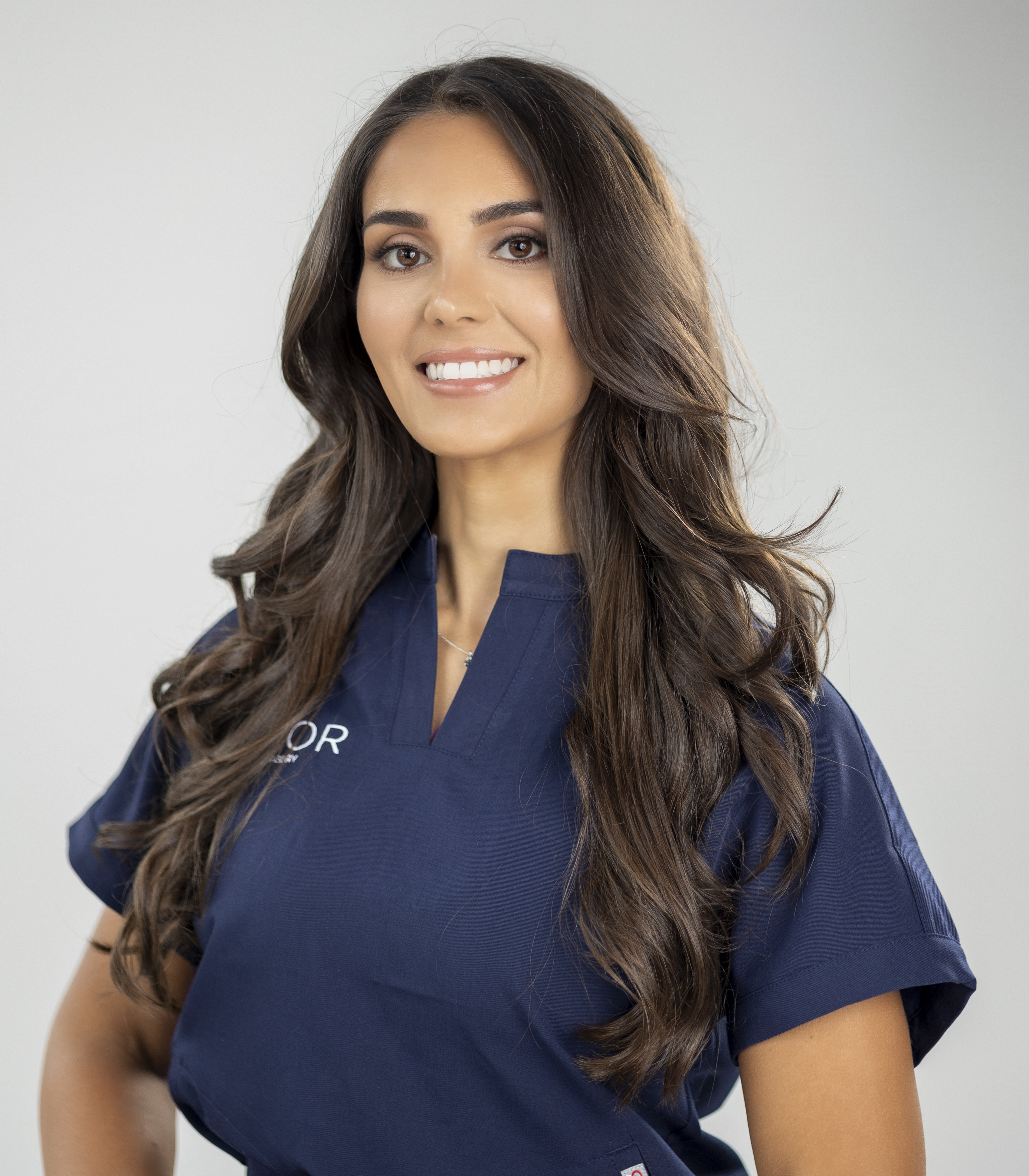
Meet Your Injector: Stephanie DeSimone
Stephanie DeSimone combines a mathematics background, years of surgical assisting, and a passion for bodybuilding to guide her injection style. This mix gives her a strong command of both surface anatomy and deeper muscle structure.
Her expertise covers neuromodulator use across the face and neck, as well as masseter injections for TMJ and trapezius treatments for a swan neck effect. She studies how each muscle group interacts, then tailors dosing to keep expression natural.
Stephanie focuses on full-face harmony with a “less is more” mindset. She restores your inherent features first, then considers volume or additional treatments only when needed. Patients often share that she corrected earlier injector mistakes and improved facial balance through precise, anatomy-driven planning. Book a consultation with Stephanie to design your maintenance plan.
How Botox Maintenance Works
Botox maintenance means planned, repeat treatments that prevent wrinkles instead of waiting for deep lines to appear. The FDA recommends at least twelve weeks between sessions, and most patients do best on a 12 to 16-week schedule.
Consistent neuromodulator use gently “trains” muscles by limiting repetitive movements that create dynamic wrinkles. Different brands act on slightly different timelines. Dysport often shows changes in 2 to 3 days, Xeomin in 3 to 5 days, and Botox in 5 to 7 days, with full results around two weeks.
The treatment timeline follows a predictable pattern. Early changes appear within days, peak effects develop over 2 to 4 weeks, and most patients enjoy optimal results for 8 to 12 weeks. Scheduling your next visit before everything fully wears off keeps muscles in a smoother pattern while preserving expression.
2026 Neuromodulator Advances You Can Use
By 2026, Botox maintenance will have become more personalized through technology and new products. AI-powered tools now help predict dosing and timing based on muscle strength, metabolism, and past response, which supports more accurate schedules.
Daxxify and Jeuveau offer newer options for some patients. Daxxify can last 4 to 6 months for select individuals, compared with the typical 3 to 4 month window. Jeuveau often shows a faster onset, with visible changes around day 3.
Micro-dosing has grown popular among Gen Z and younger patients who want prevention with very subtle changes. Some treatment plans also pair neuromodulators with regenerative or biostimulatory therapies for broader facial rejuvenation. Even with the “Notox” conversation online, Botox use in patients under 70 increased by more than 70% from 2019 to 2022, which supports the role of thoughtful, preventative care. Book a consultation with Stephanie to explore these options.
Personal Factors That Shape Your Schedule
Each person’s ideal maintenance timing depends on anatomy, metabolism, and lifestyle. Treated area, muscle strength, and dosage all influence how long results last. Stress levels, sun exposure, and exercise intensity also play a role.
Athletes and very active patients often metabolize neuromodulators faster, so they may need slightly more frequent visits. Patients with softer expressions or slower metabolism may comfortably stretch to longer intervals.
Long-term safety data support ongoing maintenance. A 2020 review found no long-term or life-threatening adverse effects from cosmetic botulinum toxin when used correctly. Clinical trials and FDA reviews show Botox remains effective after more than ten years of repeated treatments without cumulative damage.
10 Tips for Maximizing Botox Longevity:
1. Take zinc supplements to support enzyme function and possibly extend duration.
2. Follow the Rule of 3: avoid lying down, exercise, and facial manipulation for 3 hours after treatment.
3. Stay upright for at least 4 hours to reduce the risk of product migration.
4. Use consistent skincare with retinoids and vitamin C, as recommended by your provider.
5. Protect your skin from excessive sun exposure with daily SPF and hats when outdoors.
6. Avoid smoking and limit heavy alcohol use, which can affect skin quality.
7. Manage stress with adequate sleep and relaxation practices.
8. Stay well hydrated to support overall skin health.
9. Schedule your next treatment before full movement returns for better muscle training.
10. Choose experienced injectors who understand facial anatomy and expression patterns.
Younger patients often use micro-doses to slow wrinkle formation, while established patients focus on maintaining smoother movement with consistent visits. Book a consultation with Stephanie for a time that fits your lifestyle and goals.
Myths, Fears, and Real-World Challenges
Many people worry that long-term Botox will damage their face, but current evidence does not support this concern. Long-term Botox use over 10 to 20 years does not damage the face; skin often looks smoother and younger compared to non-users. When treatments stop, the face returns to its natural aging process rather than aging faster.
High-volume clinics that rush consultations can create asymmetry or an unnatural look. Mirror Plastic Surgery counters these issues with detailed anatomical assessments and personalized plans. This careful process supports natural results and long-term facial health instead of quick, one-size-fits-all injections.
Frequently Asked Questions
How often should you do Botox maintenance?
Most patients do well with Botox maintenance every 12 to 16 weeks, or about every 3 to 4 months. Your metabolism, muscle strength, and goals may shift this window slightly. Some patients with strong muscles or very active lifestyles benefit from visits every 2 to 3 months, while others can comfortably wait 4 to 6 months.
What happens after 20 years of Botox?
Long-term studies show that patients who use Botox consistently for 10 to 20 years usually have smoother skin and fewer wrinkles than non-users. Any muscle thinning that occurs tends to be mild and reversible. When qualified practitioners perform treatments, there is no evidence of permanent damage or faster aging.
How to make Botox last longer with zinc?
Zinc may support longer-lasting Botox by helping enzyme function and lowering inflammation. Many patients take 8 to 15 mg of zinc daily, along with good skincare, hydration, stress control, and sun protection. Results still vary from person to person, and lifestyle habits remain a major factor.
What is the Botox Rule of 3?
The Botox Rule of 3 means avoiding three activities for 3 hours after treatment. Do not lie down, exercise, or massage your face during that window. These steps help keep the product where it was placed and support more predictable results with fewer side effects.
Why is Gen Z saying no to Botox?
Some Gen Z patients embrace the “Notox” idea, which highlights natural features and visible imperfections on social media. At the same time, many younger adults choose subtle, preventative Botox to maintain a youthful look. Education about light dosing and natural expression helps patients decide what fits their values.
Planning Your Long-Term Botox Strategy
Thoughtful Botox maintenance supports long-term facial health and wrinkle prevention more effectively than sporadic treatments. A 12 to 16 week schedule, paired with personalized planning and skilled injection technique, often delivers smoother, more consistent results.
Clear information about neuromodulator timelines, safety, and personal factors helps you make confident choices. With expert guidance, Botox maintenance can look natural, last longer, and preserve facial movement.
Book a Consultation
Mirror Plastic Surgery offers a personalized, concierge-style approach to Botox maintenance. Stephanie DeSimone’s deep understanding of facial anatomy and muscle behavior supports results tailored to your features and goals.
Contact Information:
Phone: 727-361-6515
Email: hello@mirrorplasticsurgery.com
Address: 780 4th Ave S, St. Petersburg, FL 33701
Instagram: @mirrorplasticsurgery, @dr.akashplasticsurgery, @perfectlyplastics
Book a consultation with Stephanie to build your personal Botox maintenance strategy.
Disclaimer: Results may vary from person to person. Editorial content, before and after images, and patient testimonials do not constitute a guarantee of specific results.
