
Written by: Ellie Pranckevicius, FNP-BC, Aesthetic Nurse Practitioner & Aesthetic Injector | Facial Restoration & Regenerative Injectable Specialist, Mirror Plastic Surgery | Last updated: March 13, 2026
Key Takeaways
- Consistent sleep schedules and the 10-3-2-1-0 rule strengthen circadian rhythms and improve sleep efficiency by 15-20%.
- Cool, dark, quiet environments and Huberman-style light routines support deep sleep and glymphatic brain clearance.
- Breathing techniques like 4-7-8, smart nutrition timing, and well-timed exercise lower cortisol and speed sleep onset.
- Wearables such as Oura rings provide biometrics for personalization, while cold exposure can naturally increase deep sleep.
- Peptides like Selank (+28% deep sleep), NAD, and Ipamorelin target inflammation and anxiety; book with Ellie at Mirror Plastic Surgery for personalized protocols.
12 Science-Backed Sleep Hacks for High-Performance Sleep
1. Lock In a Consistent Sleep Schedule
Consistent bedtimes and wake times within a 30-minute window strengthen your circadian rhythm and stabilize sleep quality. Research shows this rhythm alignment can improve sleep efficiency by 15-20% within two weeks. Treat your sleep and wake times as non-negotiable appointments, including weekends, so your internal clock stays calibrated.
2. Build a Deep-Sleep-Friendly Bedroom
A cool room between 60-67°F supports deeper sleep and better brain detox. This temperature range helps the glymphatic system clear waste during slow-wave sleep. Use blackout curtains, white noise, and breathable bedding to create a dark, quiet, and comfortable space that signals your brain it is time to shut down.
3. Follow the 10-3-2-1-0 Sleep Rule
The 10-3-2-1-0 rule gives you a simple checklist to remove common sleep disruptors. Avoid caffeine 10 hours before bed and stop eating 3 hours before. Wrap up work 2 hours before bed, shut off screens 1 hour before, and aim for zero light exposure at bedtime. This protocol reduces sleep latency by about 12 minutes and improves sleep efficiency scores.
4. Use the Andrew Huberman Light and NSDR Routine
Morning light within 30 minutes of waking anchors your circadian rhythm for the day. Expose your eyes to 10-20 minutes of bright outdoor light, without sunglasses when safe, to set your internal clock. In the afternoon, short Non-Sleep Deep Rest (NSDR) sessions help calm your nervous system and support better sleep at night. After sunset, reduce bright overhead light and screen exposure so your body can naturally time melatonin production. Book an appointment with Ellie to explore how peptide therapy can build on these foundational habits.
5. Try the Navy SEAL 4-7-8 Breathing Technique
The 4-7-8 breathing pattern quickly shifts your body into a calmer state. Inhale through your nose for 4 counts, hold for 7, then exhale slowly for 8. This technique activates the parasympathetic nervous system, lowers cortisol, and improves heart rate variability within minutes. Practice it nightly so your nervous system learns to associate the pattern with winding down and falling asleep faster.
6. Time Magnesium and Nutrition for Better Sleep
Magnesium glycinate taken 2 hours before bed can support deeper, more stable sleep. A dose of 400-600 mg enhances GABA receptor activity, which helps quiet the brain. Avoid refined sugars after 6 PM to prevent blood glucose spikes that can cause nighttime awakenings. Aligned nutrient timing supports 7-9 hours of high-quality sleep linked to optimal recovery.
7. Schedule Exercise to Support Nighttime Recovery
High-intensity workouts should finish at least 4 hours before bedtime so your core temperature and adrenaline can return to baseline. Morning or early afternoon training often leads to deeper slow-wave sleep and better recovery. Gentle yoga, mobility work, or stretching 1-2 hours before bed can help your body shift from “go mode” into a relaxed, sleep-ready state.
8. Use Cold Exposure to Boost Deep Sleep
Short cold exposure sessions can increase deep sleep later in the night. Cold showers or ice baths for 2-3 minutes, done 4-6 hours before bed, trigger adaptive thermogenesis that supports deeper sleep stages. Controlled temperature shifts help maintain natural sleep architecture and cognitive recovery. Start with brief exposures and build gradually as your tolerance improves.
9. Personalize Sleep with Wearable Tracking
Wearables like Oura rings give you nightly data on heart rate variability, sleep stages, and recovery scores. These metrics reveal how your habits, training, and stress levels affect your sleep. Real-time biometric integration in 2026 allows highly personalized sleep interventions based on your patterns. Use trends over weeks, not single nights, to guide adjustments.
10. Use Selank for Anxiety-Driven Sleep Issues
Selank is a nootropic peptide that targets anxiety-related insomnia without the dependency risks of benzodiazepines. In adults with chronic inflammation, Selank increased deep sleep duration by 28% and improved Pittsburgh Sleep Quality Index scores by 3.2 points versus placebo. This peptide can fit well for high performers whose sleep suffers from persistent worry and mental overactivity.
11. Support Mitochondria with NAD for Better Energy
Nicotinamide Adenine Dinucleotide (NAD) peptide therapy focuses on mitochondrial energy production. Stronger cellular energy systems support more stable sleep-wake cycles and better daytime alertness. By improving energy metabolism during nighttime recovery, NAD can help reduce fatigue-related sleep problems and grogginess.
12. Use Growth Hormone-Releasing Peptides for REM Support
Growth hormone-releasing peptide-6 has shown a 22% increase in total sleep time and a 35% improvement in REM recovery in adults with anxiety disorders. Sermorelin and Ipamorelin stimulate natural growth hormone production, which supports muscle maintenance, tissue repair, and deep sleep phases. These protocols can be especially useful for athletes and biohackers focused on recovery.
Targeted Peptide Stacks for Deep Recovery at Mirror Plastic Surgery
Chronic inflammation and anxiety often block even the most disciplined sleep routines. Targeted peptide therapy can improve outcomes in inflammation-driven sleep disorders. Addressing these root causes helps your other sleep strategies work more effectively.
Mirror Plastic Surgery designs custom peptide stacks that focus on inflammation control and nervous system balance. The Glow Stack combines GHK-CU, BPC-157, and TB500 to reduce systemic inflammation while supporting collagen production and cellular repair. Ipamorelin therapy has shown meaningful gains in sleep efficiency and deep sleep stages through GH/IGF-1 axis normalization. These protocols are tailored to your goals and medical history.
| Peptide | Primary Benefit | Sleep Impact | Mirror Advantage |
|---|---|---|---|
| Selank | Anxiety reduction | +28% deep sleep | Medical supervision |
| NAD | Energy production | Circadian support | Quality sourcing |
| Glow Stack | Inflammation control | Recovery enhancement | Custom protocols |
Ellie Pranckevicius provides in-depth consultations that include lab analysis for inflammatory markers such as IL-6 and CRP that can disrupt sleep architecture. She offers 24/7 text support and personalized dosing plans so peptide therapy stays safe, monitored, and aligned with your physiology. Book an appointment with Ellie to explore a peptide strategy that fits your specific sleep and recovery goals.
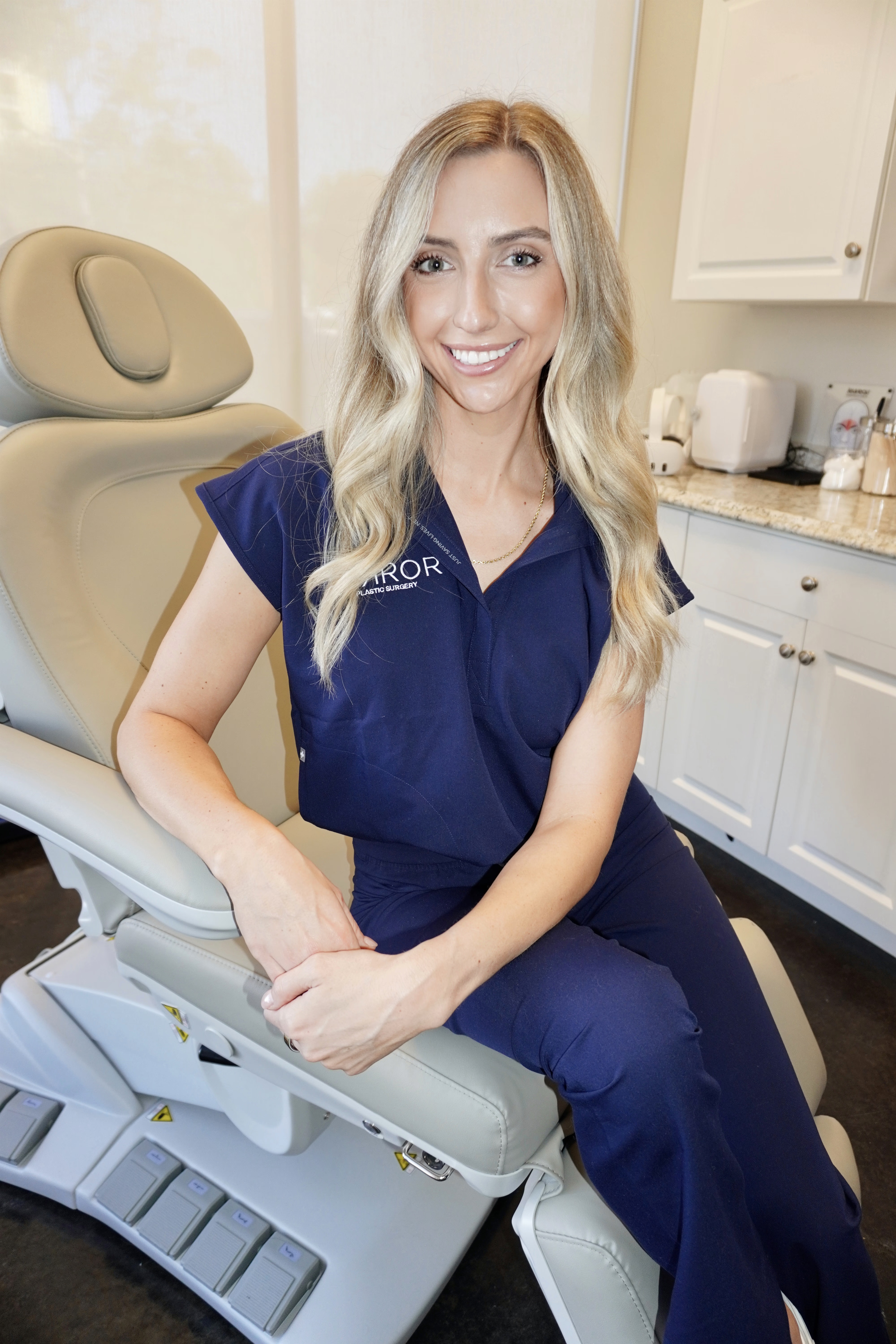
How Mirror Plastic Surgery Personalizes Your Sleep Plan
Effective sleep upgrades start with accurate measurement rather than guesswork. Validated tools like the Pittsburgh Sleep Quality Index, Oura ring biometrics, and comprehensive lab panels reveal your unique sleep barriers. Mirror Plastic Surgery combines these objective data points with Ellie’s clinical judgment to design targeted interventions that match your biology and lifestyle.
FAQ
What is the 10-3-2-1-0 rule for sleep?
The 10-3-2-1-0 rule is a step-by-step routine that removes common sleep disruptors. You avoid caffeine 10 hours before bed, stop eating 3 hours before, finish work 2 hours before, and turn off screens 1 hour before. At bedtime, you aim for zero light exposure so melatonin can rise naturally and sleep latency decreases.
How does the Navy SEAL sleep trick work?
The Navy SEAL 4-7-8 breathing technique calms the nervous system through controlled breathing. You inhale for 4 counts, hold for 7, and exhale for 8. This pattern reduces cortisol and heart rate, which makes it easier to fall asleep even during periods of high stress.
Do peptides help with sleep quality?
Specific peptides such as Selank and growth hormone-releasing peptides have shown meaningful improvements in sleep quality in clinical settings. These compounds target root drivers like anxiety, inflammation, and impaired recovery. As these factors improve, deep sleep and REM restoration often increase in a sustainable way.
Are peptides FDA-approved for sleep?
Peptide therapy is used for wellness and performance support and is not routinely prescribed to diagnose, treat, cure, or prevent disease unless clearly indicated. Many peptides are not FDA-approved and may be prescribed off-label. Some have limited long-term safety data and may carry unknown risks, complications, or desensitization with prolonged use. Working with reputable medical providers, quality-controlled sources, and personalized dosing plus lab monitoring is essential for safety.
How does Mirror Plastic Surgery differ from online peptide sources?
Mirror Plastic Surgery offers medically supervised peptide therapy that includes detailed consultations, lab analysis, and ongoing follow-up. All peptides are quality-tested, and protocols are customized to your health status and goals. Unregulated online sources often lack medical oversight, quality control, and personalization, which can increase the risk of ineffective or unsafe outcomes.
Transform Your Sleep with a Structured Optimization Plan
Elite sleep comes from a clear, stepwise strategy that starts with circadian and lifestyle foundations, then layers in advanced tools like peptides when appropriate. These 12 science-backed tactics give biohackers a practical framework for improving deep sleep, REM recovery, and next-day energy.
Ellie Pranckevicius at Mirror Plastic Surgery provides the medical guidance and personalized peptide protocols needed to break through chronic sleep plateaus. Her ICU critical care background and advanced peptide training support precise, outcome-focused plans for deep, restorative sleep. Book an appointment with Ellie today to upgrade your sleep and recovery strategy.
Contact Information:
Phone: 727-361-6515
Email: hello@mirrorplasticsurgery.com
Address: 780 4th Ave S, St. Petersburg, FL 33701
Instagram: @mirrorplasticsurgery, @dr.akashplasticsurgery, @perfectlyplastics
Disclaimer: Results may vary from person to person. Editorial content, before and after images, and patient testimonials do not constitute a guarantee of specific results.
Disclaimer: Peptide therapy is intended for wellness and optimization purposes and is not prescribed to diagnose, treat, cure, or prevent disease unless specifically stated. Many peptides are not FDA-approved and may be used off-label. Some have limited long-term safety data, with a potential for unknown risks, complications, or desensitization with prolonged use.