
Written by: Ellie Pranckevicius, FNP-BC, Aesthetic Nurse Practitioner & Aesthetic Injector | Facial Restoration & Regenerative Injectable Specialist, Mirror Plastic Surgery
Key Takeaways for Your Lip Filler Journey
-
Lip filler results change dramatically over 2–4 weeks, so the first few days never reflect the final outcome.1
-
Swelling peaks at 24–48 hours and early asymmetry is common, so wait until week two before judging your results.
-
Final results depend on product choice, technique, and conservative volume that respects your natural lip proportions.
-
Fillers last within the typical 6–18 month range and remain fully reversible with hyaluronidase when needed.1
-
Schedule a personalized consultation at Mirror Plastic Surgery with an injector who prioritizes natural, proportionate outcomes.
Key Facts About Lip Filler Results
-
Fillers (Juvederm, Restylane) typically last 6–18 months in the lips.1
-
Final results appear over 2–4 weeks, once filler reaches its final rheological equilibrium at about 14 days.1
-
Lips may appear 30–50% larger on day one than the settled result.1
-
A 2023 multicenter study of 41,775 cases found an early complication rate of 0.07%.
-
Fillers are reversible with hyaluronidase.
How Lip Filler Changes Your Lips
Lip filler affects more than just size. It changes volume, border definition, and hydration.
-
Volume: Fuller lip body with improved projection. The degree of change depends on starting anatomy, product selection, and the amount injected.
-
Border Definition: A crisper, more defined vermilion border and Cupid’s bow. Shape refinement at the vermilion border often uses as little as 0.02 mL per injection point.
-
Hydration: Smoother texture with fewer fine vertical lines. Fillers draw moisture into the tissue, which can improve perioral skin quality over time.
Fillers like Juvederm and Restylane are commonly used. A skilled injector evaluates the whole face so the lips match your overall proportions. Departing significantly from the natural upper-to-lower lip ratio often creates an unnatural look.
Day‑by‑Day Lip Filler Timeline
Day 1: Immediate Swelling and Bruising
On day one, lips appear significantly fuller than the final result and may feel tight, tender, and slightly numb. The upper lip often swells more than the lower lip. Minor bruising and redness at injection sites are common. Lips can appear 30–50% larger than the final result due to water retention and inflammation. Day one marks the start of the healing process.
Days 2–3: Peak Swelling and the “Ugly Phase”
Swelling is usually worst on day two, and asymmetry is normal. Many first-time patients feel anxious during this stage. Fillers are hydrophilic and draw water into their matrix during the first 72 hours. This extra water sits on top of inflammatory swelling and makes lips look temporarily larger. The days 2–3 appearance is temporary and changes significantly as healing continues.
Days 4–7: Swelling Settles and Shape Appears
As inflammation declines between days four and seven, most puffiness resolves within five to seven days. Bruising, if present, may deepen before it fades. Most lip filler patients feel socially comfortable again within 5–7 days. The true shape becomes clearer through this window.
Weeks 2–4: Final Results and Refinement
Day 14 is the key assessment point for the actual result, when the filler reaches its final rheological equilibrium. Weeks 2–4 allow the last 10–20% of hydration-related puffiness to resolve. A follow-up visit during this period, rather than at day two, gives a realistic view of whether any refinement is needed.
How Long It Takes to Look “Normal”
Swelling peaks at 24–48 hours, and most people see a natural look between 2 and 4 weeks. The final result appears once swelling has fully resolved.
Several factors influence how quickly you look normal. Patients with strong lymphatic drainage often resolve swelling within three to four days, while those with compromised lymphatic function, chronic inflammation, or high baseline cortisol may experience swelling for seven to ten days. Product selection matters as well. Juvederm fillers are highly hydrophilic and can cause more pronounced swelling in the first 48–72 hours, while Restylane tends to create a milder swelling phase.
The “Ugly Phase” and Why Lips Look Bigger First
Lip fillers often look temporarily larger than the final result, and this pattern reflects a normal biological response. Lip filler swelling comes from minor needle trauma that triggers inflammation, and from fillers attracting water molecules into the tissue.
Uneven swelling is common during the first three to five days, and lips may appear asymmetrical as one side swells more than the other. This early asymmetry usually reflects swelling patterns rather than uneven filler placement.
To ease this phase and reduce discomfort, use simple at-home steps.
-
Apply a cold compress wrapped in cloth for 10 minutes at a time during the first 24–48 hours to constrict blood vessels and limit swelling.
-
Sleep with your head elevated on the first two nights so fluid does not pool around the mouth.
-
Avoid alcohol and salty foods for the first 48–72 hours, because both can increase water retention and puffiness.
-
Stay hydrated with roughly 64 ounces of water daily to support healing and circulation.
Concerns about one-syringe results looking too large on day one are extremely common. The day-two appearance reflects peak swelling. Reassessment at two weeks almost always shows a more refined and balanced result than the early post-injection look.
How Long Results Last and When to Schedule Touch‑Ups
Lips metabolize filler faster than cheeks because they move constantly. This motion exposes more of the gel to natural enzymes that break it down. The vermilion also has a rich blood and lymphatic supply, which further speeds this process. Product selection fits within this context.
-
Juvederm Volbella XC: Lasts about 12 months and works well for subtle volume and fine vertical lines.1
-
Juvederm Ultra XC: Lasts 9–12 months and suits balanced volume and definition.1
-
Restylane Kysse: Lasts 10–12 months and supports natural movement with soft volume.1
Most patients schedule touch-ups every 9–12 months. Booking a touch-up when about 30–40% of the product remains usually requires less filler, creates a smoother transition, lowers cost, and keeps results consistent.
Concerns about sagging often arise. Conservative, well-placed lip filler plans do not cause permanent stretching, and most patients return to their natural lip shape if they stop treatment. Problems with sagging tend to follow repeated overfilling rather than thoughtful, moderate dosing.
How to Avoid Bad Lip Filler Results
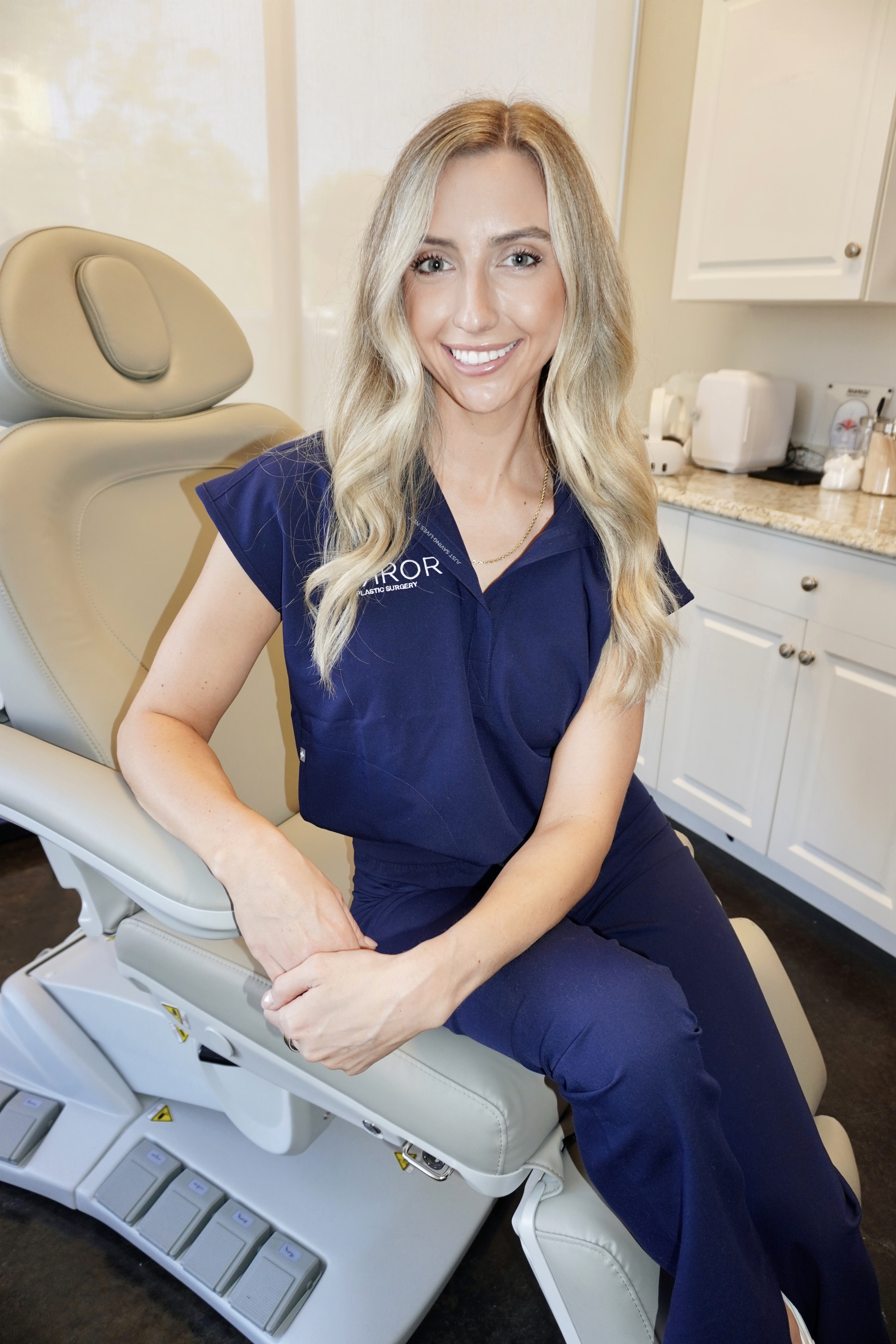
Good outcomes start with the right injector and a clear plan. Ellie Pranckevicius’s clinical background in a Neuroscience ICU, advanced nursing training at USF, and 600 hours of hands-on esthetics training directly inform her conservative, anatomy-first approach to lip filler. That experience shapes a treatment philosophy built around several core principles.
-
Product Selection: Mirror Plastic Surgery remains supplier-neutral and selects from Juvederm, Restylane, RHA, and other brands based on your anatomy and goals. A provider may combine products, such as Restylane Kysse at the border and Juvederm in the body of the lip, to fine-tune definition and hydration.
-
Technique: The micro-droplet technique places tiny, precise droplets throughout the lip instead of one long thread. This approach gives better control over shape and helps prevent migration or lumps. Respecting the vermilion border and your natural lip ratio remains essential for natural results.
-
Conservative Approach: A staged plan, such as starting with 0.5 mL, reassessing at two weeks, then adding another 0.5 mL if desired, usually feels safer than starting with 1 mL at once.
-
Honest Communication: Ellie tells patients when a procedure does not serve them yet. That honesty supports long-term results patients feel confident showing in every setting.
The overfilled look usually comes from technique errors rather than the filler itself. Common causes include too much volume in one session, placement in the wrong tissue layer, and frequent top-ups before prior filler has settled.
Schedule your anatomy-first consultation with Ellie at Mirror Plastic Surgery to see how a detailed, hour-long assessment shapes a natural plan for your lips.
Setting Realistic Expectations for Different Lip Types
Every lip starts from a different baseline, so treatment plans vary by anatomy and goals.
-
Thin Lips: Building fuller lips from a very thin starting point works best as a gradual process. Large volumes in one session can push filler outward and create a “duck” look. Spacing sessions allows tissue to stretch safely while preserving shape.
-
1 Syringe vs. 0.5 mL: One syringe (1 mL) creates a noticeable enhancement, while 0.5 mL offers a softer change. First-time patients usually start with 0.5–1 mL. Most providers avoid more than one syringe per session to protect tissue.
-
Asymmetrical Lips: Filler can improve asymmetry with careful placement and strong anatomical knowledge. Swelling in the first 3–5 days can temporarily exaggerate any unevenness.
-
Mature Lips (50s+): Age-related volume loss often responds well to filler. Product choice and placement differ from younger patients, and the goal focuses on restoring natural proportions rather than dramatic transformation.
Aftercare Habits That Support Great Results
Aftercare affects both your healing experience and how long your results last.
Do:
-
Apply ice packs wrapped in cloth for 10–15 minutes at a time during the first 24–48 hours.
-
Stay hydrated with about 64 ounces of water daily.
-
Use SPF lip balm to protect lips and support longevity. SPF lip balm often delivers the highest return on effort for lip filler longevity.
-
Take Arnica montana if recommended for bruising.
Don’t:
-
Consume alcohol for 24–72 hours.
-
Use straws for 24–48 hours, because suction can shift filler before it settles.
-
Apply lip makeup for 24 hours, since injection sites are tiny open wounds that can admit bacteria.
-
Expose lips to excessive heat such as saunas, hot yoga, or prolonged sun.
-
Judge your results before the two-week mark.
FAQ: Common Lip Filler Questions
Do lip fillers look bad at first?
They often look swollen and uneven at first. Swelling peaks at 24–48 hours and can make lips look much larger than the final result. Asymmetry during this window is common because swelling rarely distributes evenly. Most patients feel comfortable in social settings by days 5–7, and the true result appears between weeks 2 and 4. Day two reflects peak inflammation rather than your final outcome.
Why can lip filler make someone look older?
Poorly placed or excessive filler can distort facial proportions and create a heavy, “overdone” appearance. Specific issues include an overfilled upper lip that overwhelms the lower lip, filler migration above the vermilion border, and loss of natural movement from product that is too stiff or too voluminous. These problems come from technique and planning. A conservative, anatomy-first injector who respects facial balance and avoids stacking product too quickly creates results that look refreshed instead of aged.
Do lips go saggy after lip fillers?
Fillers gradually dissolve over the typical 6–18 month period, and lips usually return to their natural baseline. Concerns about sagging relate more to repeated overfilling that stretches tissue. Conservative, well-placed treatment that builds volume gradually does not permanently change lip tissue, and patients who stop receiving filler return to their natural lip shape.
What do most people wish they knew before getting lip fillers?
Many patients say they wish they had known that the day 2–3 appearance is temporary, that early asymmetry is normal, and that the injector matters more than the product brand. Choosing a provider for anatomical knowledge, honest communication, and a conservative philosophy usually matters more than price or convenience.
How long does it take to look normal after lip fillers?
Swelling peaks at 24–48 hours, and most people see a natural look between 2 and 4 weeks. Individual factors such as lymphatic function, adherence to aftercare, and product selection influence how quickly swelling resolves. Booking treatment at least two weeks before any major event gives a comfortable buffer.
Are lip fillers safe?
When a qualified medical professional uses FDA-approved fillers, lip filler has a strong safety profile. A 2023 multicenter study of 41,775 cases reported an early complication rate of 0.07%. Fillers are also reversible with hyaluronidase, which adds an extra safety margin. Choosing a licensed provider with deep anatomical knowledge and confirming that hyaluronidase is available on-site are key safety steps.
Your Lip Filler Journey with Mirror Plastic Surgery
Lip filler results unfold over weeks, not days. The appearance at weeks 2–4 looks very different from the swollen look on day two. Product choice, volume, technique, and your injector’s judgment shape whether the final result feels natural or overdone.
At Mirror Plastic Surgery, Ellie Pranckevicius approaches every lip filler consultation with a clear framework: safety first, function second, aesthetics third. Hour-long consultations, supplier-neutral product selection, and a focus on long-term outcomes over single-session volume define this concierge approach.
Natural results remain achievable when planning, technique, and communication align.
Book Your Lip Filler Consultation
Book your lip filler consultation with Ellie today at Mirror Plastic Surgery to discuss your goals with an Aesthetic Nurse Practitioner whose clinical background and conservative philosophy support results you will feel confident about at every stage. Reach the team at 727-361-6515 or hello@mirrorplasticsurgery.com.
Disclaimer
Disclaimer: Results may vary from person to person. Editorial content, before and after images, and patient testimonials do not constitute a guarantee of specific results.
1 Results may vary from person to person. Editorial content, before and after images, and patient testimonials do not constitute a guarantee of specific results.