
Written by: Dr. Akash Chandawarkar, Board Certified Plastic Surgeon, Mirror Plastic Surgery
Key Takeaways
- Insurance coverage for rhinoplasty in Florida depends on documented medical necessity, not cosmetic goals.
- Objective testing such as nasal endoscopy, CT imaging, and validated NOSE scores is required to prove functional impairment.
- Patients must show failure of at least four to six weeks of conservative treatments before insurers will consider approval.
- Pre-authorization packets must be complete and internally consistent; incomplete submissions are the leading cause of denial.
- Schedule a consultation at Mirror Plastic Surgery to receive a thorough functional evaluation and start building a strong insurance case.
When Florida Insurers Typically Cover Rhinoplasty
Florida commercial insurers and Medicare generally cover functional rhinoplasty or septoplasty when a patient has documented nasal airway obstruction caused by a structural abnormality, such as septal deviation, internal nasal valve collapse, or post-traumatic deformity. The obstruction must persist after a minimum four-to-six-week trial of conservative medical management. Objective findings from nasal endoscopy, CT imaging, or validated symptom scores must confirm the impairment. Purely cosmetic changes to nasal shape or size remain the patient’s financial responsibility in every case.
| Insurer | Covered Indications | Required Documentation | Notes |
|---|---|---|---|
| Aetna (CPB 0005) | Nasal airway obstruction unresponsive to at least 4 weeks of medical therapy; significant trauma with impaired breathing; structural issues requiring rhinoplasty as part of medically necessary septoplasty | Letter of medical necessity, nasal endoscopy or CT findings, NOSE/SNOT-22 scores, conservative-treatment records with dates, four-view photographs | Cosmetic language anywhere in the record can trigger full denial, so documentation should focus on obstruction, not anatomy alone |
| UnitedHealthcare | Anatomic cause of obstruction with objective exam findings such as visible collapse on inspiration or positive modified Cottle maneuver | Objective exam findings, consistent clinical photography, clear surgical plan; NOSE score of 45 or higher is commonly required | Proof of functional nasal obstruction and failure of conservative therapy is explicitly required; cosmetic indications are excluded |
| Wellpoint / Blue Cross Blue Shield Affiliates (CG-SURG-18) | Symptomatic septal deviation with other causes ruled out; recurrent epistaxis; chronic or recurrent acute sinusitis; septal deformity preventing surgical access; CPAP intolerance from nasal blockage | Conservative management trial including topical corticosteroids, decongestants, antibiotics, or allergy therapy; rhinoplasty component reviewed under ANC.00008 | Rhinoplasty solely to modify shape or size is classified as cosmetic and not medically necessary under ANC.00008 |
| AmeriHealth (effective March 30, 2026) | Obstruction not resolved after septoplasty or turbinectomy due to structural abnormality; vestibular stenosis with significant symptoms; trauma or disease; cleft lip or palate or congenital craniofacial deformity causing functional impairment | Diagnostic studies such as nasal endoscopy, anterior rhinoscopy, or CT scan; letter of medical necessity; frontal, lateral, and submental photographs for rhinoplasty cases; four-week conservative management trial | Policy updates may change specific coverage requirements, so patients should confirm current criteria |
Step 1: Confirm Functional Impairment with Objective Testing
A functional rhinoplasty prior-authorization package must include objective findings, not patient-reported symptoms alone. The standard evaluation includes nasal endoscopy to visualize septal deviation, valve collapse, or polyps. CT imaging of the sinuses is added when chronic sinusitis or complex anatomy is suspected. The modified Cottle maneuver documents internal or external nasal valve collapse.
Validated patient-reported outcome scores, specifically the NOSE scale and the SNOT-22, must be recorded with dates and submitted to payers including Medicare. A NOSE score of 55 or above is generally considered severe obstruction, and many payers require a baseline NOSE score to quantify symptom severity. Rhinomanometry and acoustic rhinometry are labeled experimental and investigational by Aetna and usually carry less weight than endoscopy and validated scores.
Step 2: Document Failed Conservative Treatments
Insurers require failure of conservative therapy for approximately four to six weeks before approving functional nasal surgery. Acceptable treatments include topical intranasal corticosteroid sprays, oral antihistamines, saline irrigation, nasal decongestants, and allergy management such as immunotherapy. Records must include specific start and end dates, the agents used, dosages, and documented outcomes, which proves a genuine therapeutic trial rather than a checkbox exercise.
Insurers scrutinize documentation for cosmetic intent, so any language suggesting an aesthetic goal can lead a payer to treat the entire claim as cosmetic and non-covered. To keep the focus on function, every clinical note should describe measurable functional impact such as mouth breathing, sleep disruption, exercise intolerance, or CPAP failure.
Step 3: Obtain Pre-Authorization from Your Insurer
Nearly every commercial payer and Medicare Advantage plan requires prior authorization for functional rhinoplasty, and incomplete submissions are the most common reason claims fail. The pre-authorization packet must include a letter of medical necessity signed by the treating surgeon, clinic notes with detailed exam findings, validated symptom scores with dates, conservative-treatment records, and preoperative photographs in standard four-view format.
The proposed CPT and ICD-10 codes submitted for authorization must match the final claim exactly. Tampa-area payers typically respond within 14 to 30 calendar days, and submitting an incomplete packet restarts that clock. For Medicare beneficiaries, CMS has required prior authorization for rhinoplasty performed in a hospital outpatient department since July 1, 2020.
Step 4: Use Split Billing for Combined Septoplasty and Rhinoplasty
In a combined septorhinoplasty, the functional septoplasty component is billed to insurance, and the cosmetic rhinoplasty component is billed directly to the patient. Shared costs such as anesthesia and facility time must be split in a defensible, proportional manner based on operative-note allocation. Billing insurance for time spent on cosmetic work constitutes fraud.
Combining functional septoplasty and cosmetic rhinoplasty on a single insurance claim creates cosmetic-reclassification risk for the entire claim, not just the cosmetic portion. A signed cosmetic financial agreement must be obtained before surgery so the patient’s financial responsibility is clear regardless of insurance outcome. Mirror Plastic Surgery does not discuss pricing in this article, and each patient receives a personalized quote during consultation based on their specific anatomy and plan. Even when billing is handled correctly and documentation is thorough, some claims are still denied, often for reasons that can be successfully appealed.
Step 5: Navigate Appeals After an Insurance Denial
Common denial reasons include the insurer classifying the procedure as cosmetic, insufficient documentation of obstruction, inadequate documentation of conservative therapy duration, or missing prior authorization. A strong appeal resubmission adds objective data not included in the original packet, such as updated NOSE scores, additional endoscopy images, a peer-reviewed functional rhinoplasty study supporting the surgical approach, or a sleep medicine consultation if CPAP intolerance is a factor.
A surgeon’s opinion alone is not sufficient, so the clinical record must independently support the conclusion through symptoms, diagnosis, functional impairment, exam findings, and conservative treatment history. Requesting a peer-to-peer review between the insurer’s medical director and the treating surgeon is a standard and often effective escalation step.
Why Dr. Akash’s Function-First Approach Supports Breathing and Approval
Dr. Akash completed a seven-year integrated plastic and reconstructive surgery residency at Johns Hopkins University, one of the world’s leading training programs, followed by an aesthetic surgery fellowship at the Manhattan Eye, Ear and Throat Hospital. He has been named to Newsweek’s America’s Best Plastic Surgeons list for two consecutive years, 2024 and 2025, which reflects his commitment to evidence-based surgical excellence. His research on artificial intelligence and machine learning for objective rhinoplasty analysis, presented at The Rhinoplasty Society Annual Meeting, reflects the same rigor he applies to every functional evaluation at Mirror Plastic Surgery.
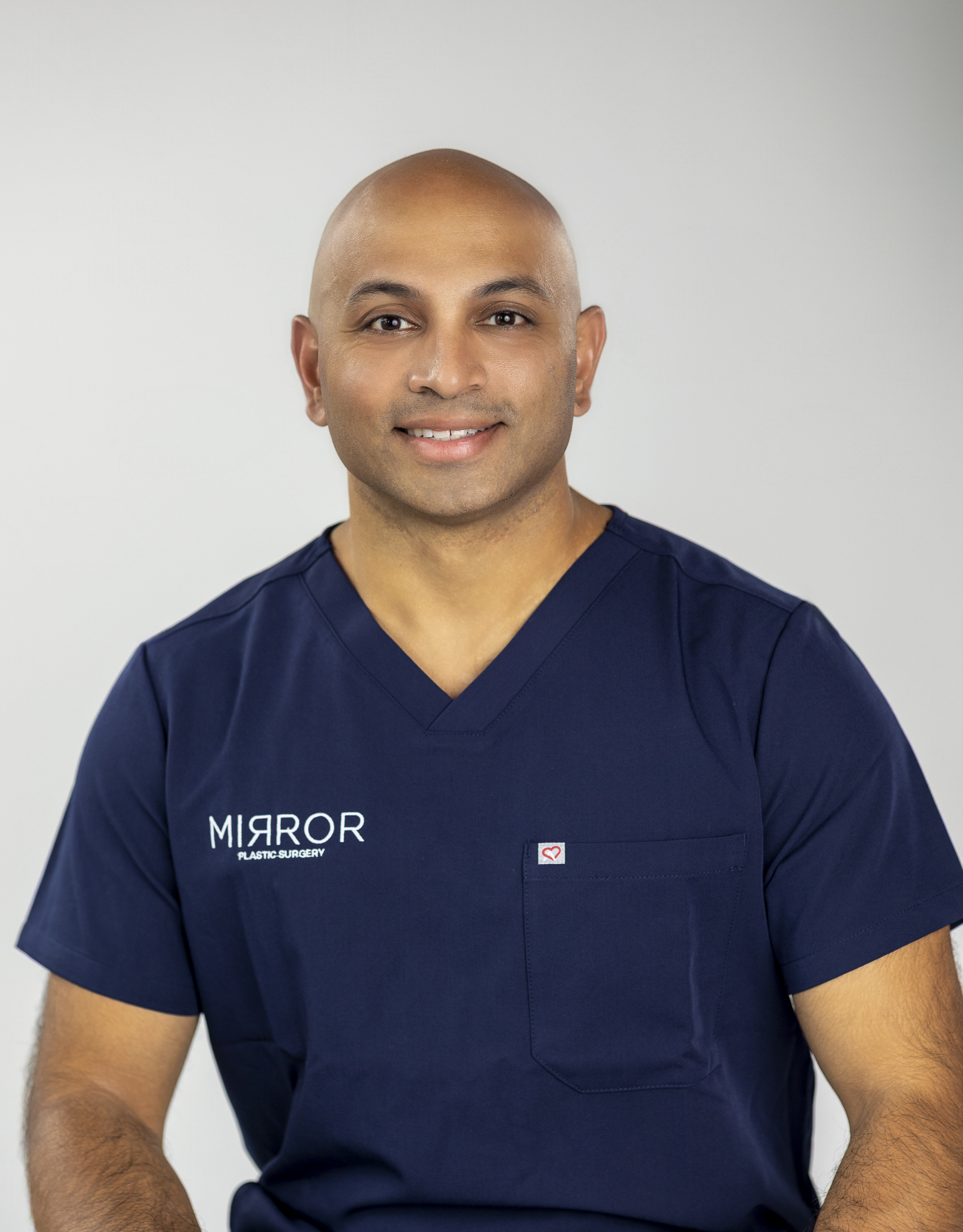
Mirror’s core philosophy, safety first, function second, aesthetics third, aligns closely with insurer expectations for objective documentation of functional impairment before any aesthetic goal is considered. Because Dr. Akash performs only one to two surgeries per day, the operative notes, pre-authorization letters, and supporting records for each patient receive meticulous attention. That thoroughness translates into stronger authorization packets and more defensible appeals.1
Book a consultation with Dr. Akash to have your nasal anatomy evaluated with the same function-first framework that supports better breathing outcomes and stronger insurance submissions.1
Tampa-Specific Pre-Authorization Checklist
Florida patients covered by Blue Cross Blue Shield of Florida affiliates should confirm whether their plan routes functional rhinoplasty review under Wellpoint CG-SURG-18 for the septoplasty component and ANC.00008 for the rhinoplasty component, because these are separate review pathways with different documentation checklists. UnitedHealthcare Florida plans commonly require a NOSE score threshold and consistent clinical photography in addition to standard records. Aetna Florida plans follow CPB 0005 criteria and expect the conservative therapy trial described in Step 2.
Tampa-area ambulatory surgery centers typically require authorization confirmation at least five business days before a scheduled procedure date. Submitting incomplete packets to any Florida payer routinely adds two to four weeks to the approval timeline.
Common Patient Misconceptions About Rhinoplasty Insurance
A breathing complaint does not automatically qualify a patient for covered surgery. Most adults have some degree of septal deviation, so payers require proof of functional obstruction rather than anatomy alone. CT imaging showing a deviated septum without documented airway obstruction and failed conservative therapy is insufficient for approval.
Patients who also want cosmetic changes such as dorsal hump reduction, tip refinement, or width adjustment must understand that those components remain their financial responsibility regardless of how significant the functional correction is. Cosmetic rhinoplasty is never covered by Original Medicare, Medicare Advantage, or Medigap policies.
Reader Checklist: Prepare for Your Consultation at Mirror Plastic Surgery
Arriving at your hour-long consultation with the following materials allows Dr. Akash to complete a functional and aesthetic assessment and start building your pre-authorization packet immediately.
- Primary care or ENT records documenting nasal obstruction symptoms with dates of onset
- Pharmacy records or prescription printouts showing nasal steroid, antihistamine, or decongestant use with start and end dates
- Any prior nasal endoscopy reports or CT imaging of the sinuses
- Completed NOSE scale questionnaire, available from your referring physician or online
- Sleep study results and CPAP compliance data if obstructive sleep apnea is a factor
- Trauma records, ER reports, or imaging from any prior nasal injury
- Current insurance card and a list of all active medications
- List of questions about functional goals, cosmetic goals, and what to expect from the authorization process
Conclusion: Plan for Coverage with Clear Expectations
Insurance coverage for rhinoplasty in Florida is achievable when functional impairment is documented thoroughly, conservative treatments have clearly failed, and the pre-authorization packet is complete and internally consistent. The cosmetic component of any combined procedure remains the patient’s responsibility. Mirror Plastic Surgery’s function-first philosophy, Dr. Akash’s Johns Hopkins-trained anatomical expertise, and the practice’s concierge approach to documentation give Tampa-area patients a strong foundation for both successful authorization and safe, lasting surgical outcomes.1
Next Steps: See If Your Rhinoplasty May Qualify
Mirror Plastic Surgery serves patients throughout the Tampa Bay and St. Petersburg area. During a comprehensive, hour-long evaluation, Dr. Akash and his team review your anatomy, symptoms, and insurance situation and guide you through every step of the pre-authorization process.
Call or text 727-361-6515, email hello@mirrorplasticsurgery.com, or visit the practice at 780 4th Ave S, St. Petersburg, FL 33701.1
Book a consultation with Dr. Akash and take the first step toward clearer breathing and a stronger insurance case.
Frequently Asked Questions
Does insurance cover rhinoplasty in Florida if I have a deviated septum?
Having a deviated septum on imaging alone is not enough to trigger coverage. Insurers require the three elements outlined at the beginning of this article: documented functional symptoms, objective confirmation of structural cause, and failed conservative treatment lasting four to six weeks. When all three elements are present and properly documented, the septoplasty component of the procedure is generally covered. Any cosmetic changes to nasal shape or size performed at the same time remain the patient’s financial responsibility regardless of the functional findings.
What is the difference between functional rhinoplasty and cosmetic rhinoplasty for insurance purposes?
Functional rhinoplasty addresses structural abnormalities that impair nasal airflow, such as internal nasal valve collapse, septal deviation, or post-traumatic deformity, and is billed to insurance using functional CPT codes like 30520 for septoplasty paired with ICD-10 diagnosis codes reflecting the obstruction. Cosmetic rhinoplasty modifies the external appearance of a structurally normal nose and is never covered by insurance, Medicare, or ACA-compliant plans.
When a patient undergoes both functional correction and cosmetic reshaping in the same operative session, the surgeon must maintain completely separate documentation, coding, and billing for each component. The functional portion is submitted to insurance, and the cosmetic portion is collected directly from the patient under a signed financial agreement. Shared costs such as anesthesia and facility time are split proportionally between the two components.
How long does the pre-authorization process take for functional rhinoplasty in Tampa?
Tampa-area insurers typically respond to a complete pre-authorization submission within the timeline described in Step 3. The key factor is completeness, because submissions missing any required element, such as conservative-treatment records with specific dates, validated NOSE or SNOT-22 scores, or the letter of medical necessity, are routinely returned or denied, which restarts the clock.
Medicare requires prior authorization for rhinoplasty performed in a hospital outpatient department, and most commercial Medicare Advantage plans operating in the Tampa Bay area follow the same requirement. Ambulatory surgery centers in the area generally require written authorization confirmation at least five business days before a scheduled procedure. Working with a surgeon whose practice builds thorough pre-authorization packets from the first consultation significantly reduces delays and denial rates.
What happens if my insurance denies my functional rhinoplasty claim?
A denial does not represent a final answer, because every commercial insurer and Medicare plan must offer an appeals process. The most effective appeals add objective evidence not included in the original submission, such as updated NOSE scale scores recorded after the conservative treatment trial, additional endoscopy images or CT findings, peer-reviewed literature supporting the surgical approach for the documented anatomy, or a sleep medicine consultation if CPAP intolerance contributed to the indication.
Requesting a peer-to-peer review, which is a direct conversation between the insurer’s medical director and the treating surgeon, is a standard escalation step that frequently reverses denials when the clinical record is strong. Common denial reasons include insufficient documentation of obstruction severity, inadequate proof of conservative therapy duration, missing prior authorization, or cosmetic language appearing anywhere in the clinical notes. Addressing each stated denial reason specifically and systematically in the appeal letter gives the resubmission the best chance of approval.
Can I combine a functional rhinoplasty with cosmetic changes and still get partial insurance coverage?
Patients can receive partial coverage when functional and cosmetic components are documented, coded, and billed as entirely separate services. The functional portion, such as septoplasty or internal nasal valve repair, is submitted to insurance with its own CPT codes, ICD-10 diagnoses, and operative documentation. The cosmetic portion, such as dorsal hump reduction, tip refinement, or width adjustment, is quoted and collected from the patient as a self-pay service under a signed financial agreement.
Anesthesia and facility time are allocated proportionally between the two components, and billing insurance for time spent on cosmetic work is a compliance violation. The pre-authorization request must reflect only the functional CPT and ICD-10 codes, and those codes must match the final claim exactly. Patients considering a combined procedure should discuss the documentation strategy with their surgeon before any records are generated, because cosmetic language introduced early in the chart can compromise the entire functional claim.
1 Results may vary from person to person. Editorial content, before and after images, and patient testimonials do not constitute a guarantee of specific results.