
Written by: Ellie Pranckevicius, FNP-BC, Aesthetic Nurse Practitioner & Aesthetic Injector | Facial Restoration & Regenerative Injectable Specialist, Mirror Plastic Surgery
Key Takeaways on Peptides for Hair Regrowth
-
Acetyl tetrapeptide-3 stimulates extracellular matrix proteins like collagen and laminin, improving hair follicle anchoring and increasing the anagen to telogen ratio by up to 46% in studies.
-
Clinical evidence shows hair density gains and new growth in 86% of users after 12 weeks, although topical absorption limits deeper follicle repair.
-
Compared to minoxidil, acetyl tetrapeptide-3 delivers similar density improvements without irritation, shedding, or systemic side effects.
-
GHK-Cu systemic peptides support superior regrowth by targeting inflammation, cellular repair, and follicle enlargement, often outperforming topical-only treatments.
-
For optimal, supervised hair restoration with Glow Stack protocols, schedule your personalized assessment at Mirror Plastic Surgery with Ellie Pranckevicius.
How Acetyl Tetrapeptide-3 Supports Hair Growth
Acetyl tetrapeptide-3 functions as a biomimetic peptide that stimulates the synthesis of extracellular matrix proteins like collagen and laminin. This activity helps anchor hair follicles more securely to the scalp and supports healthier growth cycles.
The primary benefits include increased follicle size, enhanced structural support for hair fibers, and improved hair shaft thickness. These structural improvements translate to measurable clinical outcomes, with studies documenting gains in hair density and longer anagen phases. Results vary based on individual response patterns and how consistently the product is applied.
Topical delivery still faces constraints, including inconsistent skin penetration, variable absorption rates, and limited reach to deeper follicular structures. These limitations can reduce the impact of even well-formulated products for some patients.
Clinical Studies and Efficacy Evidence for Acetyl Tetrapeptide-3
Current research on acetyl tetrapeptide-3 shows measurable hair growth improvements, although data from 2024 to 2026 remains more limited than for long-established treatments. The most significant findings include a 46% improvement in anagen to telogen hair ratio in controlled studies, which indicates enhanced follicle activity and prolonged growth phases.
The following table summarizes key clinical evidence across different study types, highlighting consistent improvements with varying timelines and endpoints:
|
Study Type |
Key Finding |
Duration |
|---|---|---|
|
Controlled trial |
46% anagen/telogen ratio improvement |
4 months |
|
Consumer testing |
12 weeks |
|
|
Capixyl evaluation |
Density gains |
16 weeks |
Real-world reviews reveal significant variability in outcomes, with some users experiencing substantial improvements and others reporting minimal change. This inconsistency reflects differences in formulation quality, application technique, and individual physiology that affect peptide absorption and follicle responsiveness.
Overall, the evidence suggests acetyl tetrapeptide-3 offers genuine hair growth benefits but may not deliver the comprehensive follicle repair needed for advanced hair loss.
Schedule a consultation with Ellie to discuss how supervised peptide protocols can improve your hair restoration results.
Acetyl Tetrapeptide-3 Compared to Minoxidil and DHT Blockers
Acetyl tetrapeptide-3 provides hair density improvements similar to minoxidil while maintaining a more favorable safety profile. Capixyl, which contains acetyl tetrapeptide-3, has no known systemic side effects, no withdrawal symptoms, and no rebound shedding after discontinuation. This profile contrasts with minoxidil, which can cause hypotension, scalp irritation, and significant shedding phases.
The peptide approach avoids common minoxidil complications, including cardiovascular effects, dependency concerns, and the early shedding period that discourages many users. Unlike minoxidil’s initial shedding phase, this peptide strategy supports gradual, sustainable improvements without the discouragement of temporary hair loss.
Both topical options still share limitations when it comes to systemic drivers of hair loss. Hormonal imbalances, chronic inflammation, and cellular aging often require deeper intervention through supervised systemic therapies.
GHK-Cu vs Acetyl Tetrapeptide-3: Why Systemic Peptides Often Win
Acetyl tetrapeptide-3 offers surface-level follicle support, while systemic peptides like GHK-Cu provide broader cellular repair that targets root causes of hair loss. Copper Tripeptide-1 (GHK-Cu), a naturally occurring copper-peptide complex found in human plasma, saliva, and urine, improves hair growth by enlarging hair follicles to produce longer, thicker hair, while also providing significant anti-inflammatory, antioxidant, and wound-healing effects.
GHK-Cu’s systemic action supports collagen and elastin production throughout the body and reduces inflammation that contributes to follicle miniaturization. Clinical observations have documented impressive outcomes, including grey hair reversal in some cases. These benefits extend beyond hair to better skin quality, stronger nails, and more robust tissue regeneration.
Mirror Plastic Surgery’s Glow Stack combines GHK-Cu with BPC-157 and TB500 to create coordinated effects that calm inflammation, promote tissue repair, and support cellular function. Patients often experience thicker hair, healthier scalps, and improved overall vitality that topical treatments alone rarely achieve.
The supervised model ensures accurate dosing, screens for interactions, and adjusts protocols based on individual response patterns and laboratory markers.
Schedule a consultation with Ellie to explore how systemic peptide protocols can deliver stronger hair restoration results.
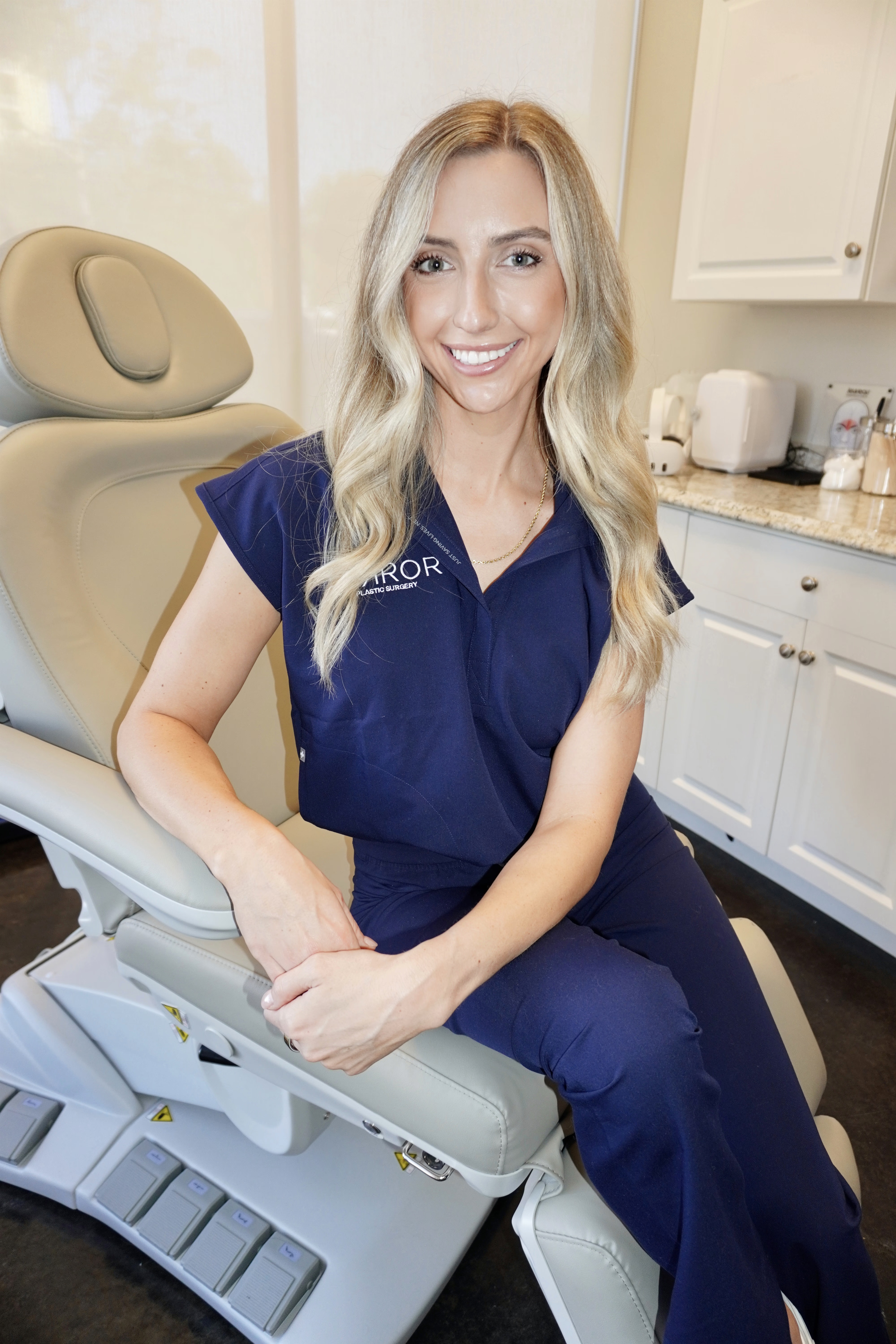
Meet Your Nurse Practitioner: Ellie Pranckevicius
Ellie Pranckevicius, FNP-BC, directs peptide therapy protocols at Mirror Plastic Surgery with a blend of aesthetic expertise and advanced clinical training. She earned her Master’s in Nursing from the University of South Florida and built a strong clinical foundation through four years in the Neuroscience ICU at Tampa General Hospital. This experience provides deep insight into complex physiology and metabolic health.
Her background bridges esthetician training from high-end medical spas in Boston with nurse practitioner credentials. This combination gives Ellie a clear understanding of both cosmetic goals and clinical science. She focuses on education and transparency so patients understand the physiology behind each recommendation and can make informed decisions.
Choosing the Best Peptide Protocol for Hair Regrowth
Effective hair restoration often starts with topical treatments like acetyl tetrapeptide-3 for initial follicle support. Protocols then progress to systemic peptides based on individual response and laboratory findings. This stepwise strategy reduces risk while increasing therapeutic benefit through careful monitoring and dose adjustments.
Over-the-counter peptide purchases carry real risks, including unknown purity, incorrect dosing, and lack of medical supervision. These factors can lead to poor results or adverse reactions. Professional guidance ensures quality sourcing, appropriate protocols, and ongoing support throughout treatment.
Mirror Plastic Surgery’s concierge model includes 30 to 60 minute consultations, detailed laboratory analysis when appropriate, and 24/7 text access to Ellie for questions and protocol refinements. This level of support, combined with nationwide shipping, allows safe and effective peptide therapy regardless of location.
Side Effects, Patient Reviews, and Real-World Results
Capixyl, a biomimetic complex that combines acetyl tetrapeptide-3 with red clover extract, has uncommon and usually mild side effects. Reported reactions include occasional scalp sensitivity or redness and temporary tingling in rare cases. Overall, the peptide shows excellent tolerability compared to many conventional hair loss treatments.
Patient reviews of topical acetyl tetrapeptide-3 range from significant improvement to minimal change. This spread highlights how much outcomes depend on formulation quality, consistent use, and realistic expectations based on hair loss pattern and underlying health.
Glow Stack protocols at Mirror Plastic Surgery have produced consistent gains in hair density, scalp health, and overall vitality in clinical practice. Many patients see measurable increases in hair thickness, faster growth, and stronger follicles, with benefits that extend beyond appearance to broader wellness.
Frequently Asked Questions
Are peptides FDA-approved for hair growth?
Most peptides used for hair restoration are not FDA-regulated and are used for wellness and optimization under medical supervision. Peptide therapy represents an off-label wellness approach that requires proper medical oversight to support safety and effectiveness. Professional supervision provides quality assurance, appropriate dosing, and monitoring that over-the-counter products cannot match.
Should I choose GHK-Cu or acetyl tetrapeptide-3 for hair regrowth?
The choice depends on your hair loss severity and goals. For localized follicle support, acetyl tetrapeptide-3 works well in topical form. For addressing root causes like cellular aging and inflammation mentioned earlier, GHK-Cu’s systemic approach offers more comprehensive benefits.
How long before I see results from peptide therapy?
Most patients notice hair growth improvements after 12 to 16 weeks of consistent use, although timelines vary. Hair loss severity, underlying health, and the specific protocol all influence response. Some patients see earlier changes in hair texture and scalp comfort within 4 to 6 weeks, while meaningful density gains usually require longer treatment.
Do I need medical supervision for peptide hair treatments?
Medical supervision is essential for safe and effective peptide therapy. A qualified provider can guide dosing, verify product quality, and monitor for interactions or side effects. This oversight improves outcomes and reduces risks linked to unregulated products and unsupervised use.
What happens if I stop peptide therapy?
Hair growth benefits usually fade gradually after stopping peptide therapy, similar to pausing other health regimens. Maintenance plans help preserve improvements while allowing for breaks or adjustments based on your needs and goals. Long-term planning supports ongoing benefits and healthier hair over time.
Acetyl tetrapeptide-3 represents a promising advancement in topical hair growth treatments and offers a safer profile than many options, such as minoxidil. The strongest and most sustainable hair restoration results often come from supervised systemic peptide protocols that support cellular health and calm inflammation.
Schedule your consultation with Ellie today to explore personalized peptide plans tailored to your hair restoration goals and overall wellness.
Disclaimer: Results may vary from person to person. Editorial content, before and after images, and patient testimonials do not constitute a guarantee of specific results.
Disclaimer: Peptide therapy is intended for wellness and optimization purposes and is not prescribed to diagnose, treat, cure, or prevent disease unless specifically stated. Many peptides are not FDA-approved and may be used off-label. Some have limited long-term safety data, with a potential for unknown risks, complications, or desensitization with prolonged use.