
Written by: Ellie Pranckevicius, FNP-BC, Aesthetic Nurse Practitioner & Aesthetic Injector | Facial Restoration & Regenerative Injectable Specialist, Mirror Plastic Surgery | Last updated: August 6, 2026
Key Takeaways
- Anti-aging peptide concierge care at Mirror Plastic Surgery uses lab data, medical history, and close follow-up to design safe, individualized protocols.
- Ellie Pranckevicius, FNP-BC, blends critical-care nursing experience with aesthetics training so she can assess both cosmetic goals and medical safety.
- Key peptides such as GHK-Cu, BPC-157, TB-500, NAD, and growth-hormone secretagogues each act on specific aging pathways like collagen, inflammation, or energy production.
- Concierge care at Mirror Plastic Surgery includes an in-depth consultation, lab-panel review, custom peptide stacks, and sourcing only from tested compounding pharmacies.
- Adults 45–60 who want lab-guided peptide therapy can schedule a consultation with Mirror Plastic Surgery to review their health profile and select an appropriate protocol.
Ellie’s Background in Critical Care and Aesthetics
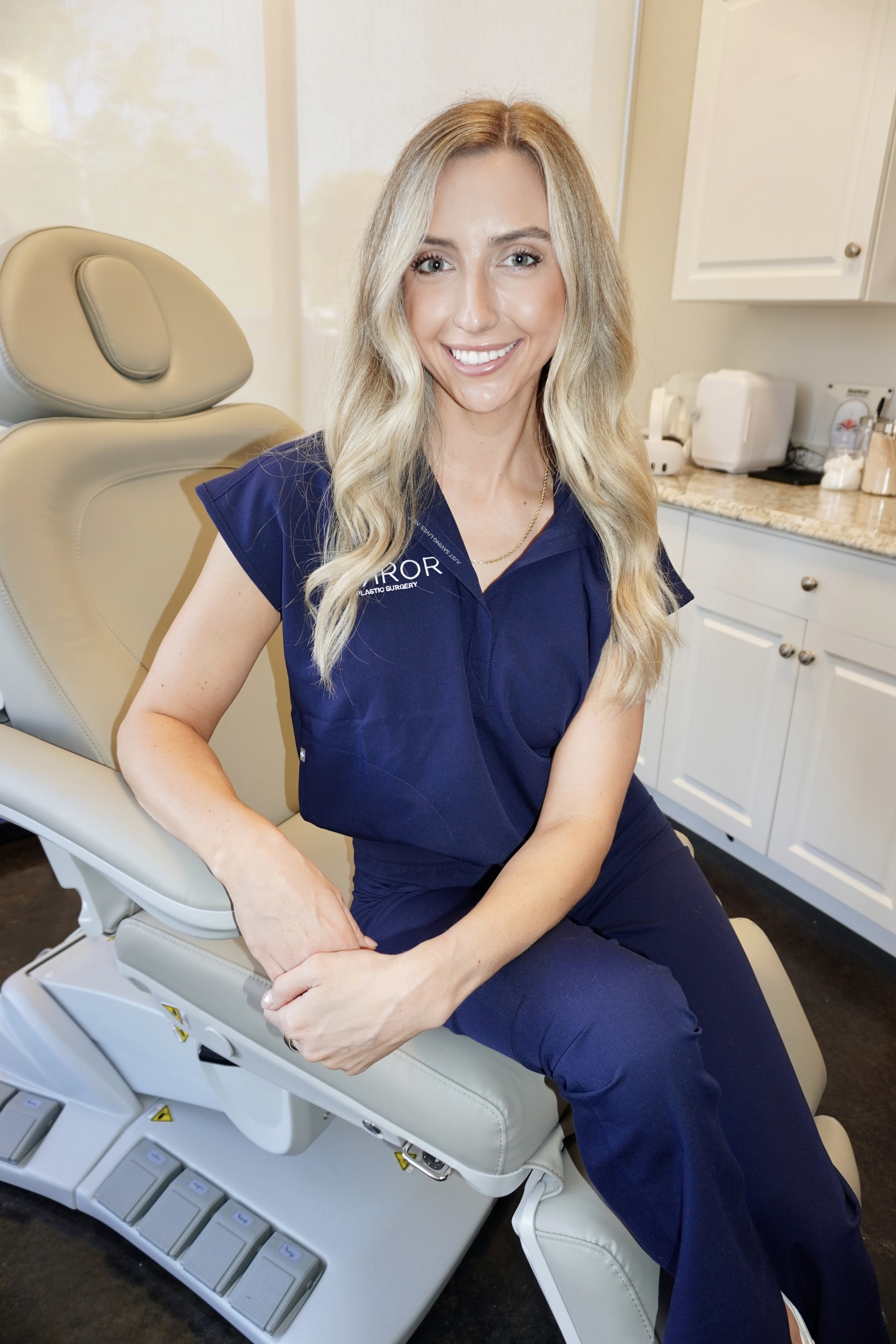
Ellie Pranckevicius, FNP-BC, leads all peptide therapy and non-surgical aesthetic services at Mirror Plastic Surgery. She holds a Bachelor’s in Health Science from Boston University and completed an aesthetics licensure program, which gave her foundational training in cosmetic outcomes and skin physiology. That aesthetic foundation was then deepened by her Bachelor’s and Master’s in Nursing from the University of South Florida, adding the clinical rigor needed for patient safety and protocol design. Before her nurse practitioner training, Ellie spent four years in the Neuroscience ICU at Tampa General Hospital, where managing complex patients required real-time integration of physiology, metabolic health, and recovery capacity. This combined experience in aesthetics and intensive care now supports her ability to align the results patients want with the medical safeguards required to pursue those results responsibly.
Core Peptide Terms You Will Hear in Consultation
Understanding the vocabulary used in concierge peptide therapy helps patients evaluate their options with greater clarity. The definitions below show how each peptide targets a specific aging pathway such as collagen support, inflammation control, energy production, or hormone signaling, so you can connect your goals to the right compound category.
- Peptides: Short chains of amino acids that act as signaling molecules, directing cellular processes such as collagen synthesis, hormone release, or tissue repair.
- GHK-Cu (Copper Peptide): A naturally occurring tripeptide-copper complex. Plasma levels decline from approximately 200 ng/mL at age 20 to 80 ng/mL at age 60, which correlates with reduced skin repair capacity. GHK-Cu stimulates collagen and elastin synthesis and influences gene pathways involved in antioxidant defense and DNA repair.1
- BPC-157 (Body Protective Compound 157): A synthetic 15-amino acid peptide that promotes angiogenesis and tissue repair through VEGFR2 and nitric oxide pathways, with applications in systemic inflammation and musculoskeletal recovery.
- TB-500 (Thymosin Beta-4): A synthetic fragment of thymosin β4 that supports cell migration, promotes angiogenesis, and releases anti-inflammatory mediators to help calm excessive inflammation in aging tissues.
- NAD (Nicotinamide Adenine Dinucleotide): A coenzyme central to mitochondrial energy production. Supplementation is being studied for cellular vitality and age-related energy decline.
- Sermorelin / Ipamorelin: Growth hormone-releasing peptides (GHRPs) that stimulate the pituitary gland’s own pulsatile growth hormone output rather than supplying synthetic hormone, which makes them mechanistically distinct from HGH therapy.
- GLP-3R Compounding: A newer-generation peptide related to the GLP-1 class, explored for weight management, insulin resistance, and cardiovascular risk factors, with reported improvements in gastrointestinal side effects compared with earlier GLP-1 formulations.
Step-by-Step Concierge Peptide Process at Mirror
Mirror Plastic Surgery follows a clear, six-step workflow so every peptide protocol remains individualized and medically supervised.
- Comprehensive consultation: Ellie conducts a 30–60 minute intake that covers full medical history, current medications, lifestyle factors, and specific health goals.
- Lab-panel review: For weight management, inflammatory conditions, or hormonal concerns, relevant panels such as thyroid, liver, kidney, diabetes markers, hormone levels, and IGF-1 are reviewed or ordered before any protocol is designed.
- Custom stack creation: Based on consultation findings and lab results, Ellie assembles a personalized peptide stack. Examples include the Glow Stack (GHK-Cu, BPC-157, TB-500) for collagen support and systemic inflammation, or Sermorelin and Ipamorelin for growth hormone support.
- Sourcing standards: Peptides are sourced only from reputable compounding pharmacies that conduct batch testing for potency, sterility, endotoxin levels, and pH, which clearly separates this model from gray-market online vendors.
- Delivery: The full process, including consultation, prescription, and cold-chain shipping, is available in person at the St. Petersburg clinic or remotely across the United States, including Hawaii and Alaska.
- Ongoing support: Patients have direct text access to Ellie and can schedule telemedicine follow-ups for dose adjustments, lab interpretation, and refill management throughout their protocol.
Peptide Regulation and Industry Changes in 2026
The regulatory environment for compounded peptides shifted meaningfully in 2026. On February 27, 2026, HHS Secretary Robert F. Kennedy Jr. stated on the Joe Rogan podcast that the FDA would announce some kind of new action around injectable peptides within a couple of weeks and expressed hope that 14 peptides would become more accessible from ethical suppliers, which could enable licensed compounding pharmacies to formulate them under a valid physician prescription. At the FDA’s Pharmacy Compounding Advisory Committee (PCAC) meeting on July 23–24, 2026, the committee issued non-binding recommendations supporting six of seven evaluated peptides for addition to the 503A Bulks List, including BPC-157 and epitalon, although these votes do not constitute FDA approval or immediate changes to compounding eligibility.
Several specific peptides carry distinct regulatory histories. The FDA has noted that compounded drugs containing CJC-1295 may pose immunogenicity risks. Ipamorelin acetate carries similar FDA notations regarding immunogenicity and contains unnatural amino acids that add complexity to peptide characterization; clinical trials of intravenous ipamorelin for postoperative gastrointestinal recovery reported it as well-tolerated with a favorable safety profile and only mild to moderate adverse events. Injectable GHK-Cu was reported removed from Category 2 in April 2026, although it has not yet been placed on Category 1 or approved as an FDA-finished drug.
A critical distinction applies across all these compounds. Category 1 status enables licensed compounding pharmacies to formulate peptides for individual patients under a valid prescription but does not constitute FDA approval of the drug itself. Distribution of unapproved peptides for human use outside this framework remains illegal in 2026. This regulatory complexity makes sourcing transparency and clinical oversight central to patient safety.
Practical Factors Adults 45–60 Should Weigh
Adults 45–60 evaluating concierge peptide therapy benefit from weighing several practical factors before beginning a protocol, starting with how to distinguish legal, tested compounds from unregulated alternatives.
- Sourcing transparency: Peptides obtained through licensed 503A compounding pharmacies undergo batch testing for potency and sterility. Red flags for unsafe sourcing include non-pharmacy research chemicals, lack of third-party testing, unclear labeling, and absence of clinician oversight or baseline labs.
- Personalization: Results vary significantly by genetics, diet, lifestyle, and the specific protocol used. A thorough lab evaluation before initiation is the primary mechanism for reducing that variability, because it identifies baseline hormone levels, metabolic markers, and inflammatory status so the protocol can match your starting physiology instead of using a one-size-fits-all approach.
- Expected timelines: A 2026 meta-analysis of 19 randomized controlled trials evaluated oral and topical peptides for skin aging parameters including elasticity and hydration.1 Protocols that target inflammation or energy may show earlier changes, while structural outcomes usually require sustained use.1
- Maintenance: Stopping peptide therapy generally leads to a return of the conditions being managed, similar to stopping most ongoing health regimens. Maintenance protocols are usually required to sustain achieved outcomes.
- Outcome variability: No protocol can guarantee uniform results. Individual physiology, adherence, and concurrent lifestyle factors all influence response.
Risks, Limitations, and Common Challenges
Commonly reported side effects of injectable peptides include injection-site irritation, fatigue, headaches, and gastrointestinal issues, with minimal evidence available on the consequences of long-term or frequent dosing. Growth hormone secretagogues such as CJC-1295 and Ipamorelin can additionally cause temporary water retention, tingling or numbness in the hands, brief flushing, vivid dreams, increased hunger, and joint aches at higher doses.
Contraindications carry real clinical weight. Peptide therapy is generally avoided in patients with active or recent cancer, during pregnancy or breastfeeding, and in those with untreated thyroid or pituitary disorders because of growth-signaling and endocrine risks. Endocrinologists have also noted that growth hormone-stimulating peptides can cause fluid retention, deranged glucose metabolism, and increased diabetes risk in susceptible individuals, and that the biggest potential risk is stimulating or promoting cancer because they act on cancer pathways.
Unsupervised online purchasing compounds these risks substantially. Laboratory analysis of black-market peptide samples has found widely varying concentrations, with some samples containing none of the advertised peptide, along with heavy metals including potentially toxic free copper, which reflects serious quality-control failures. In 2025, two attendees at a Las Vegas longevity festival were hospitalized and required ventilation after receiving unregulated peptide injections at the event, showing how contamination or mislabeling can escalate from a sourcing problem to a medical emergency.
Stacking multiple peptides without supervision makes it difficult to identify which compound is causing a side effect or interacting with existing medications or underlying conditions. This complexity highlights the value of structured, single-variable protocol adjustments under clinical oversight.
Common Misconceptions About Peptides
Peptides are only for weight loss. GLP-1 class peptides have received significant media attention for weight management, but the peptide category also includes compounds for collagen support, systemic inflammation, tissue repair, neurological health, energy production, sexual wellness, and fertility. GHK-Cu, BPC-157, TB-500, NAD, and Sermorelin each address distinct physiological targets unrelated to weight.
Results are permanent. Peptide therapy functions more like an ongoing health regimen than a one-time intervention. Benefits are maintained through continued use, and discontinuation typically leads to a gradual return of the managed condition.
Celebrity or social media endorsements reflect clinical evidence. Health claims promoted online for peptides have not been vetted by expert groups or the FDA and are frequently divorced from available data. Most evidence for newer injectable peptides comes from animal models rather than human studies, and results showing promise in those models have not been shown to consistently translate to humans.
FAQ
Are anti-aging peptides FDA-approved?
Most peptides used in anti-aging and wellness protocols are not FDA-approved finished drugs. As explained in the regulatory context section above, they are available through the 503A compounding pathway, which is a legally distinct framework from FDA drug approval. The regulatory landscape shifted in 2026, with the FDA’s Pharmacy Compounding Advisory Committee issuing non-binding recommendations to add several peptides, including BPC-157 and GHK-Cu, to the 503A Bulks List, but these recommendations have not yet been finalized into rulemaking. At Mirror Plastic Surgery, Ellie reviews the current regulatory status of each peptide during consultation so patients can make informed decisions.
Who is a good candidate for concierge peptide therapy?
Adults 45–60 experiencing collagen decline, systemic inflammation, reduced energy, or skin aging who have not reached their goals through conventional approaches often fit the candidate profile. Candidacy is determined through a comprehensive consultation and, when indicated, lab panels covering thyroid, liver, kidney, hormone, and metabolic markers. Peptide therapy is generally not appropriate for individuals with active or recent cancer, untreated thyroid or pituitary disorders, or those who are pregnant or breastfeeding. Ellie reviews each patient’s full medical history and current medications before any protocol is designed.
How long does it take to see results from peptide therapy?
Timelines vary by peptide class and by the condition being addressed. Protocols that target systemic inflammation or energy may produce noticeable changes within the first weeks of use. Structural outcomes such as improvements in skin elasticity, hydration, and barrier function from collagen-supporting peptides typically require at least 12 weeks of consistent supplementation, based on data from randomized controlled trials.1 Growth hormone secretagogue protocols are usually monitored with IGF-1 lab testing at 8-week intervals to guide dose titration. Ellie sets realistic, individualized timelines during the initial consultation based on each patient’s goals and lab baseline.
What is the difference between buying peptides online and getting them through Mirror Plastic Surgery?
Online gray-market peptides are frequently sold as “research chemicals” labeled “not for human use.” Laboratory analyses of such products have found widely varying concentrations, absent active ingredients, and contamination with heavy metals. Mirror Plastic Surgery sources exclusively from compounding pharmacies that conduct batch testing for potency, sterility, endotoxin levels, and pH. Beyond sourcing, the concierge model includes a comprehensive medical history review, lab-panel analysis, personalized protocol design, reconstitution and self-administration training, and ongoing direct access to Ellie via text or telemedicine, none of which are available through unregulated online purchases.
What happens if I stop taking peptides?
The effects of peptide therapy are generally not permanent. Discontinuing a protocol typically leads to a gradual return of the conditions being managed, whether that involves inflammation, reduced collagen production, or energy decline. This pattern matches most ongoing health interventions, where benefit is maintained through continued use. Ellie designs maintenance protocols for patients who have completed an initial treatment phase, with the goal of sustaining outcomes at the lowest effective dose and monitoring frequency.
Conclusion: A Safer Path Through the Peptide Landscape
Anti-aging peptide concierge care represents a meaningful departure from both conventional pharmaceutical approaches and unregulated online self-administration. The evidence base for specific peptides continues to develop, with 2026 bringing regulatory movement, new randomized trial data on collagen peptides, and updated FDA compounding committee guidance. For adults 45–60 in the Southeast U.S., a defensible path through this landscape relies on lab-guided assessment, transparent sourcing, and a clinical relationship that adjusts protocols as evidence and individual response evolve. Mirror Plastic Surgery’s model, led by Ellie Pranckevicius, is built around that framework.
1 Results may vary from person to person. Editorial content, before and after images, and patient testimonials do not constitute a guarantee of specific results.
Peptide therapy is intended for wellness and optimization purposes and is not prescribed to diagnose, treat, cure, or prevent disease unless specifically stated. Many peptides are not FDA-approved and may be used off-label. Some have limited long-term safety data, with a potential for unknown risks, complications, or desensitization with prolonged use.